
More than just a fleeting buzzword, sustainability has become a management imperative, especially as businesses strive to recover from the ravaging effects of the Covid-19 pandemic. If your business is among those that previously thrived to serve the needs of modern society but have suffered tremendous losses due to state-imposed lockdowns, there is a way for you to “build back better”, provided you walk the path of sustainability. This means that your business strategy, management practices and operations are closely aligned with any of the 17 Sustainable Development Goals (“SDGs”).
As investors, regulators and stakeholder groups are demanding a sustainable and resilient economic recovery, Sustainability-Linked Loan (“SLL”) is viewed as the better alternative to traditional capital raising approaches. Aimed at stimulating environmentally and socially sustainable economic activity and business growth, an SLL is defined as any type of loan instrument and/or contingent facility that incentivises the borrower’s achievement of ambitious, predetermined sustainability performance objectives[1].
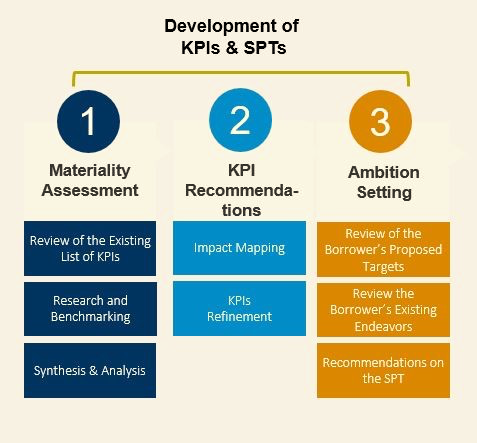
Banks and financial institutions that provide SLLs evaluate a borrower’s sustainability performance through measurable Sustainability Performance Targets. SPTs include key performance indicators (“KPIs”), metrics and external ratings to measure the borrower’s sustainability profile. Businesses, such as Public Listed Companies (“PLCs”), that have embedded the Environmental Social and Governance (“ESG”) principles into their business conduct and have reported their progress either through the Sustainability Statement in their Annual Reports or in a stand-alone Sustainability Report are well-positioned to avail of SLLs.
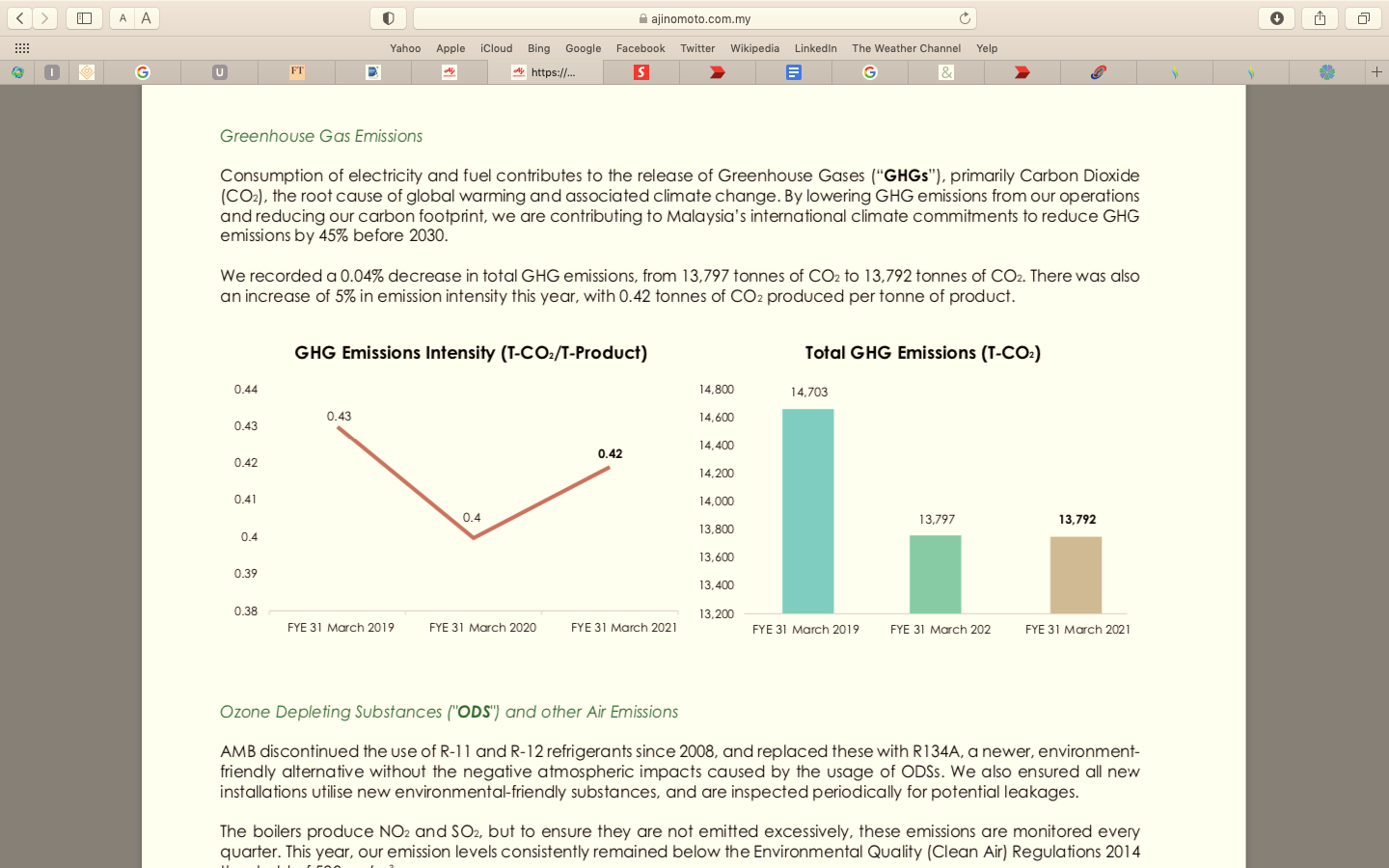
One PLC that has benefited from an SLL facility is Ajinomoto (Malaysia) Berhad. In December 2020, the Japanese multinational food additive manufacturer entered into a RM100 million Sustainability-Linked Islamic Financing Agreement with MUFG Bank (Malaysia) Berhad. Demonstrating its status as a responsible steward of the environment, AMB has embarked into an environmentally-friendly industrial development with the construction of a manufacturing plant at the Techpark@Enstek in Negeri Sembilan.
The strong collaboration between AMB and MUFG showcases how SDG 17 – Partnership for the Goals – can be leveraged by businesses and financial institutions, using SLL as a principal mechanism, to jointly rebuild economies that were wrecked by the pandemic and at the same time pursue the achievement of the 2030 global sustainability agenda.