
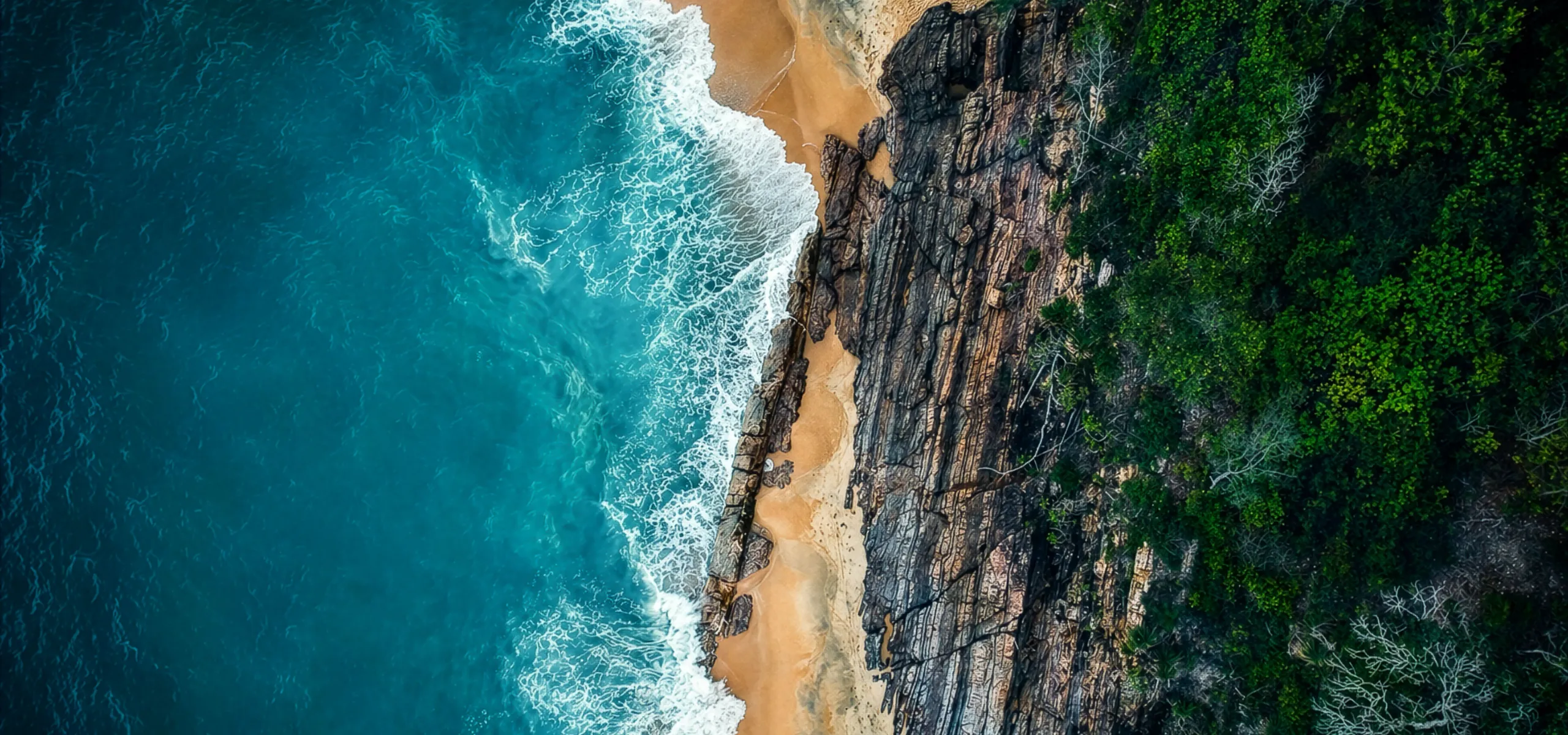
Water, Marine, Coastal & Natural Resources
Water, coastlines, ecosystems and natural resources shape what a project can responsibly carry. Responsible decisions begin with understanding the system around the project.
Responsible decisions begin with understanding the natural system
Natural systems shape the conditions around every project. Water availability may vary, coastlines may shift and land, habitats and marine environments may change over time. A project may be well planned on paper, but its long-term success depends on how well it responds to the surrounding environment
For water, marine, coastal and natural resource environments, the project boundary is only one part of the picture. Catchments, discharge routes, shorelines, land use, habitats, resource dependency, communities and climate exposure all help define what is practical, responsible and sustainable.
Our work begins with a clear reading of the system. Stronger evidence helps businesses plan with confidence, engage regulators earlier, define suitable monitoring requirements and manage environmental responsibilities over the long term.
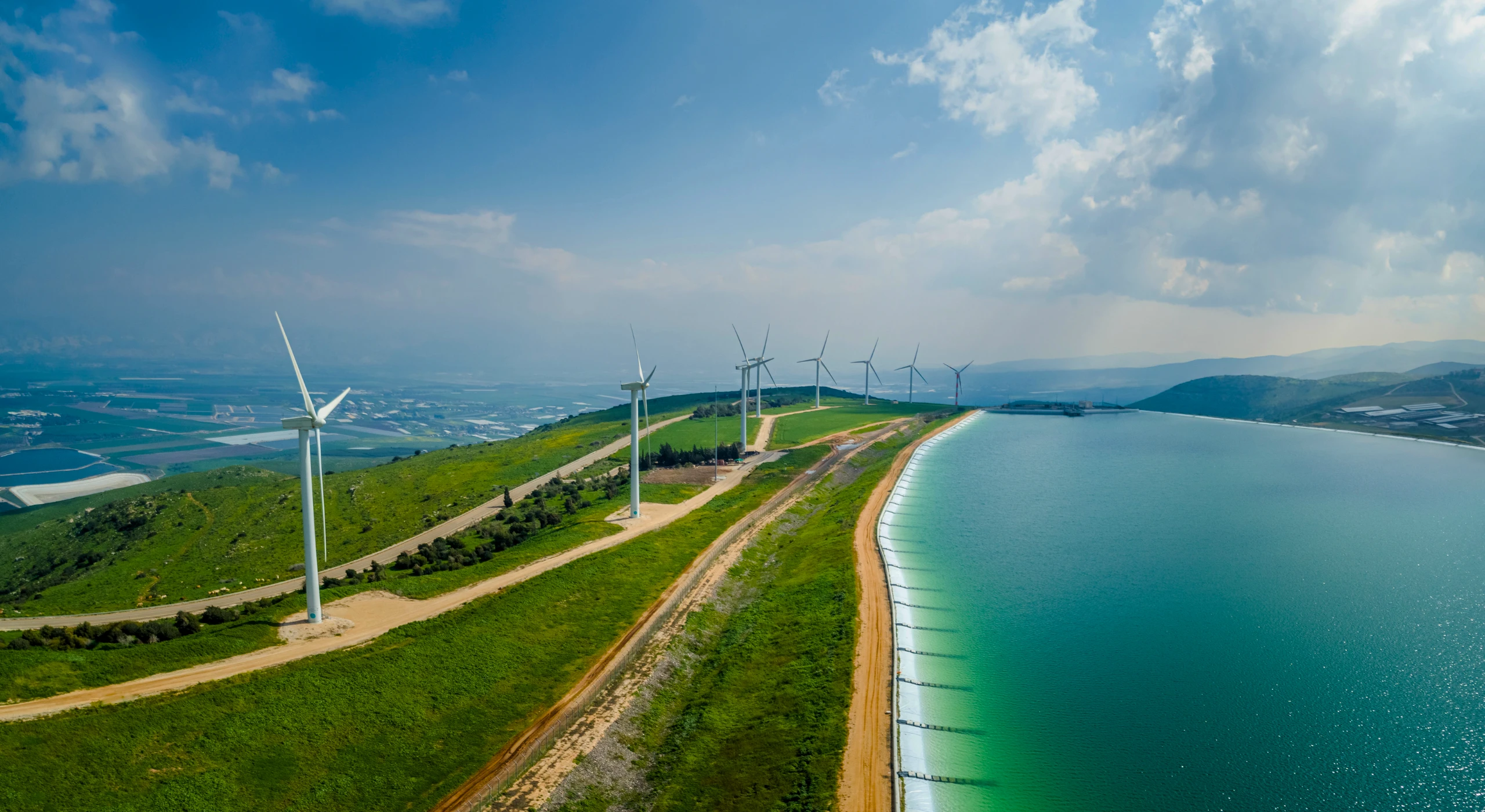
Water Resource Management
Water can become a constraint before it becomes a crisis. A source that appears sufficient today may face competing demand, changing quality, climate stress or tighter regulatory conditions tomorrow.
For water-dependent projects and operations, availability is only one part of the picture. Reliability, quality, abstraction limits, discharge pathways and monitoring expectations can all shape feasibility.
- Water Abstraction Studies
- Hydrological Assessment
- Water Quality Monitoring
- Discharge Review
- Resource Planning
- Regulatory Engagement
- Water Data Review for Sustainability Reporting
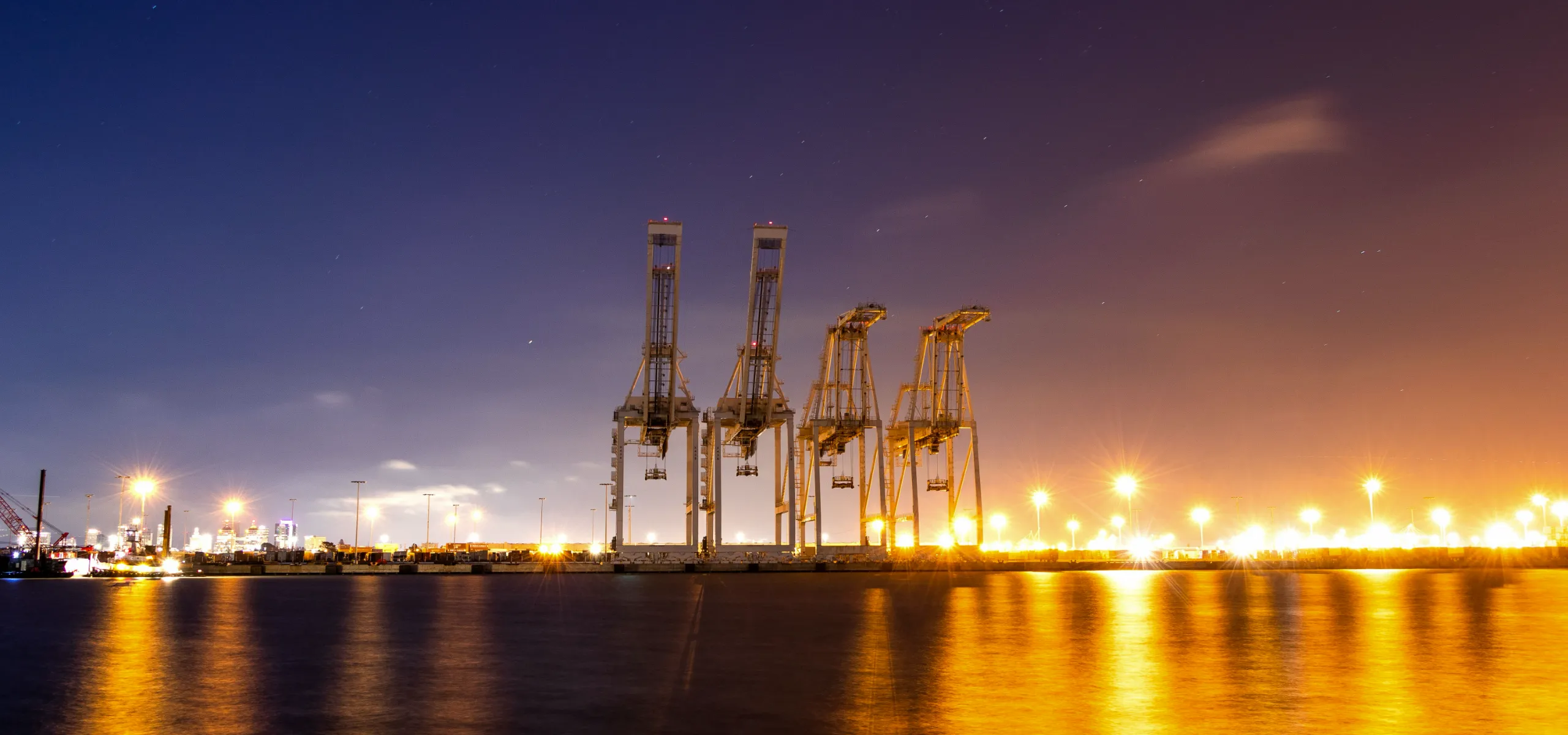
Ports & Marine Facilities
Ports sit on active edges of trade, vessels, coastlines, sediment, discharge, fisheries and nearby communities.
Expansion may support growth, but dredging, reclamation, vessel movement and operational discharge can bring detailed review from regulators and stakeholders. Navigating these hurdles requires a clear, evidence-based understanding of the local marine and coastal conditions.
- Marine Environmental Studies
- Coastal Monitoring
- Water Quality Monitoring
- Environmental & Social Impact Assessment
- Dredging-Related Environmental Review
- Operational Environmental Controls
- Regulator & Stakeholder Engagement
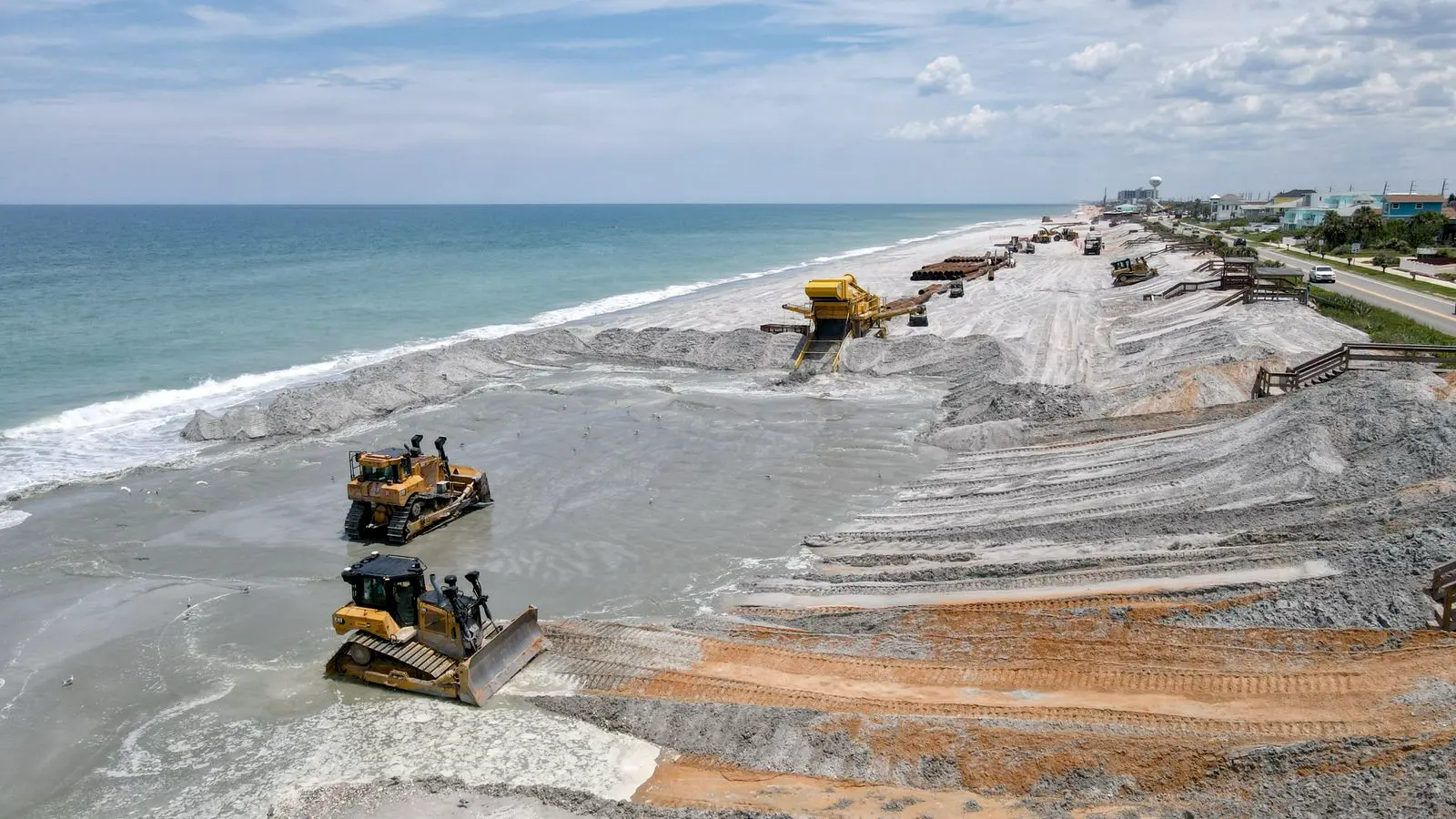
Coastal Developments
The coast is never static. Shorelines shift, flood exposure changes, habitats face pressure and nearby communities may rely on coastal areas for access, livelihood or recreation.
A coastal project cannot be assessed only by looking inward at the site. The outward view matters: how the coast may affect the development, and how the development may affect the coast.
- Shoreline Behaviour
- Flooding & Erosion Exposure
- Sensitive Habitats
- Community & Livelihood Interface
- Public Access
- Climate-Related Physical Risk
- Long-Term Monitoring Needs
Natural Resources
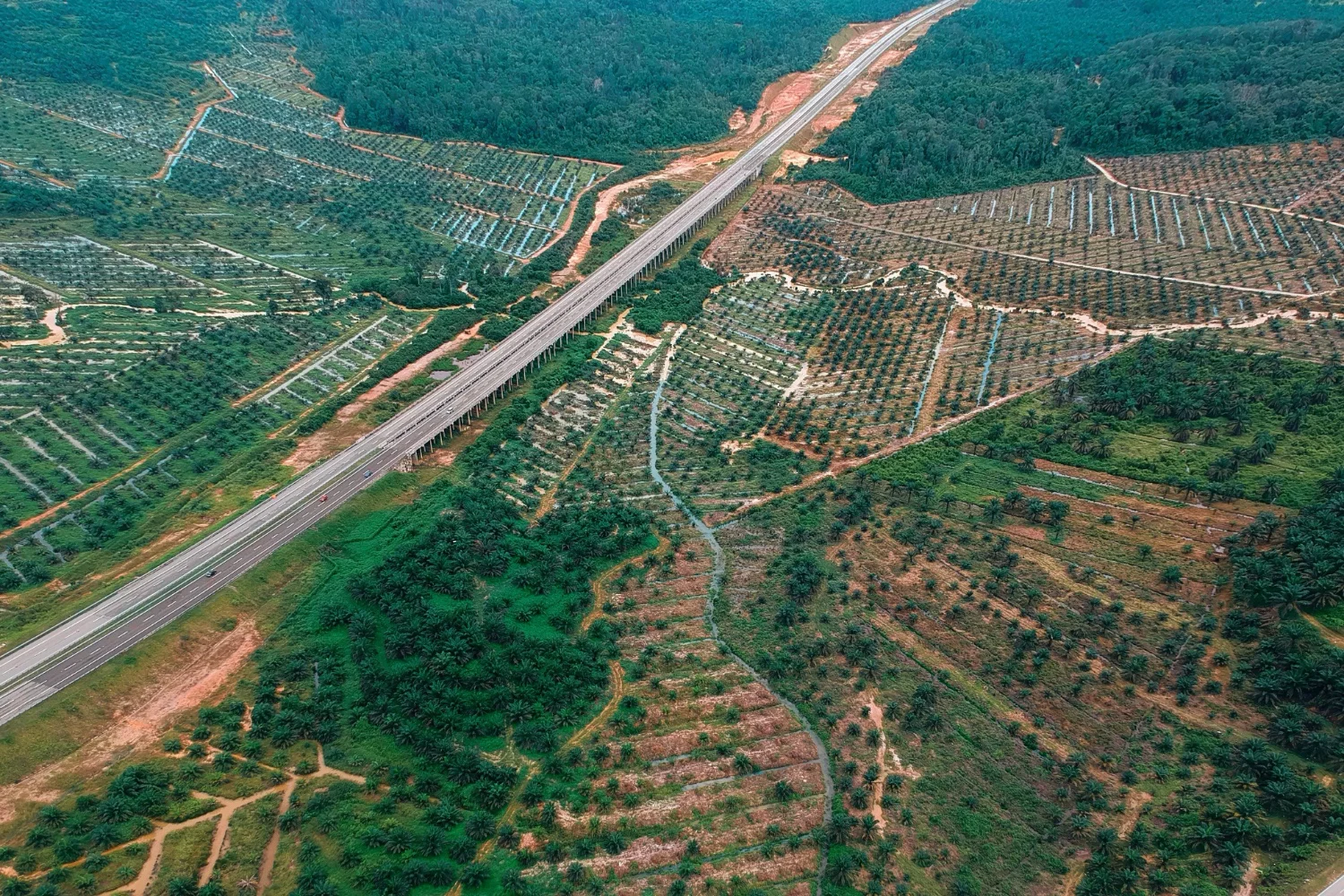
Natural resources provide the foundation for many projects and operations. Land, water, biodiversity, habitats and ecosystem conditions can influence feasibility, approvals, operating practices and long-term sustainability performance.
A clear understanding of the resource base allows organisations to plan more responsibly, manage environmental interfaces and demonstrate how natural resources are protected, monitored and used over time.
- Land and resource use review
- Water resource considerations
- Biodiversity and habitat assessment
- Ecosystem sensitivity review
- Community and livelihood interface
- Environmental monitoring
- Resource management planning
- Sustainability data and disclosure support
Need support with water, coastal or natural resource projects?
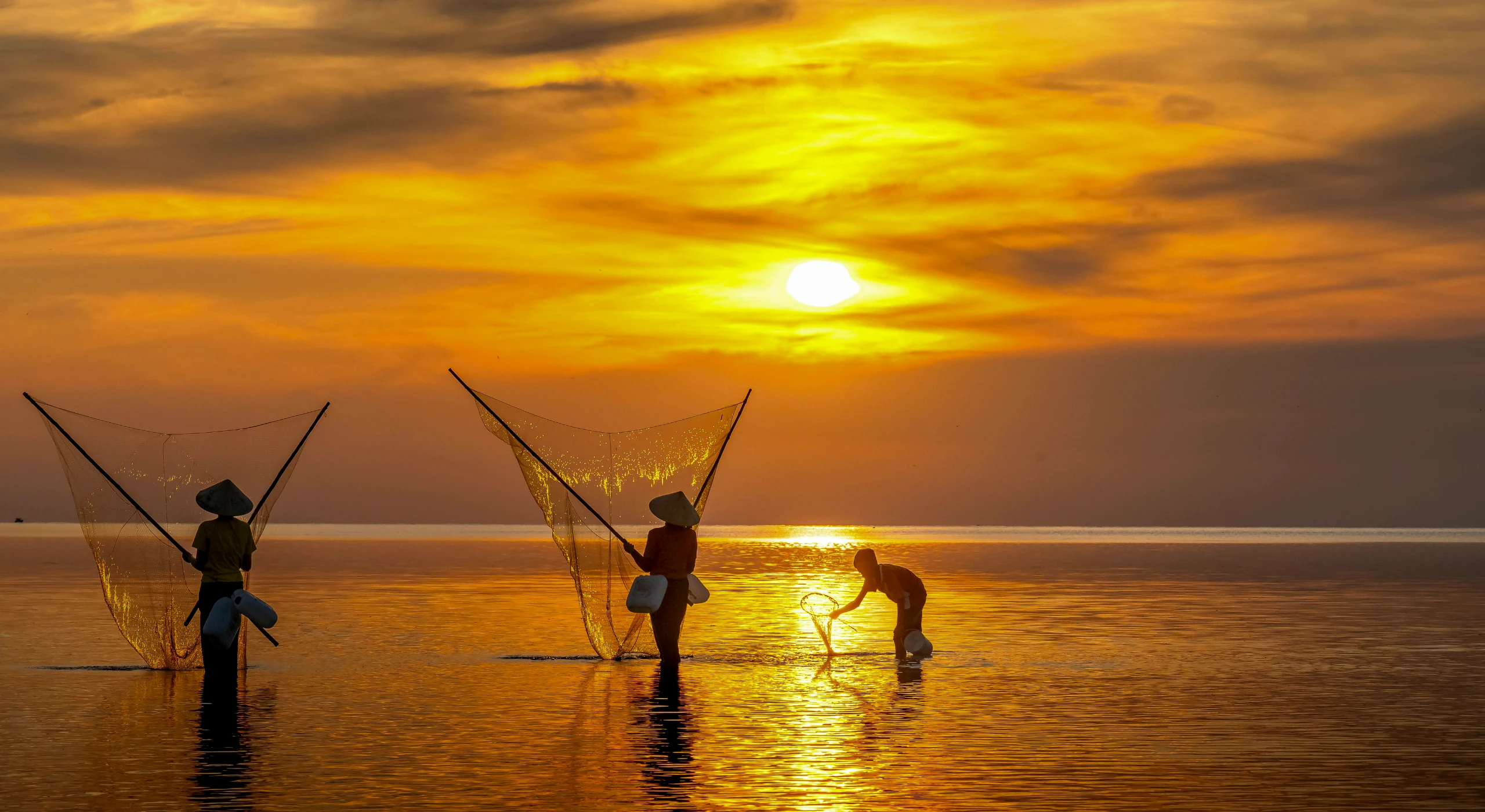
Speak with our consultants about your water, marine, coastal or natural resource requirements.