
AGV Group joined Konsortium Bumi Consultants and Services Sdn. Bhd. (“KBCS”) in Kuching on 30 August 2026 to celebrate the company’s 20th anniversary and formalise a new collaboration in sustainability consultancy.
As part of the event, KBCS signed four strategic Memoranda of Understanding (“MoUs”) covering oil and gas, energy, agriculture and sustainability consultancy. The agreements support KBCS’s plans to broaden its consultancy capabilities as it enters its next phase of growth.

One of the four MoUs was signed between KBCS and KBE-AGV ESG Consultancy (Sarawak) Sdn. Bhd. (“KBE-AGV”) to expand sustainability consultancy services in Sarawak. The partnership combines KBCS’s established presence and local experience with KBE-AGV’s expertise in sustainability solutions.
Representing KBE-AGV were Dato’ Alfred Adaikalaraj, Managing Director and Datin Dr. Vijayalakshmi Samuel, Director & Principal Consultant. During the event, they presented a commemorative plaque to Dato Ir. Janang Anak Bungsu, Founder & Managing Director of KBCS, in recognition of his leadership, dedication and commitment in shaping KBCS over the past two decades.
The MoU strengthens the partnership between KBCS and KBE-AGV and provides a platform to support businesses in Sarawak with their evolving sustainability needs.
Waste-to-Energy (WTE) solutions are gaining traction as Malaysia advances toward a circular economy and low-carbon future. Under the 12th Malaysia Plan and the National Energy Transition Roadmap, the government aims to develop 18 WTE plants by 2040 to modernise solid waste management, reduce landfill reliance, and generate up to 600 megawatts of renewable energy. These facilities divert non-recyclable waste from open burning and landfills — major methane emitters — while contributing to national climate goals, including a renewable energy capacity and an emissions reduction by 2050.
As part of this agenda, Malaysia’s second WTE plant is under development in Sungai Udang, Melaka, with a projected investment of RM660 million. Set for completion by 2029, the facility will process 1,000 tonnes of waste daily, generate 22 megawatts of power, and cut over 259,000 tonnes of CO2 emissions annually — equivalent to planting more than four million trees.
Source
AGV Environment has been appointed as the consultant for the Environmental Impact Assessment (EIA), to be submitted to the Department of Environment, and the Social Impact Assessment (SIA), to be submitted to PLANMalaysia. These assessments ensure the project meets regulatory standards while addressing environmental and community considerations. AGV’s role is to support responsible project development by delivering the studies and insights needed for informed, compliant decision-making.
AGVE delivers targeted environmental and social assessments to help businesses and authorities meet regulatory obligations while advancing sustainability goals. With proven expertise across industrial, commercial, and development sectors, we provide the insights needed for informed, sustainable project execution.
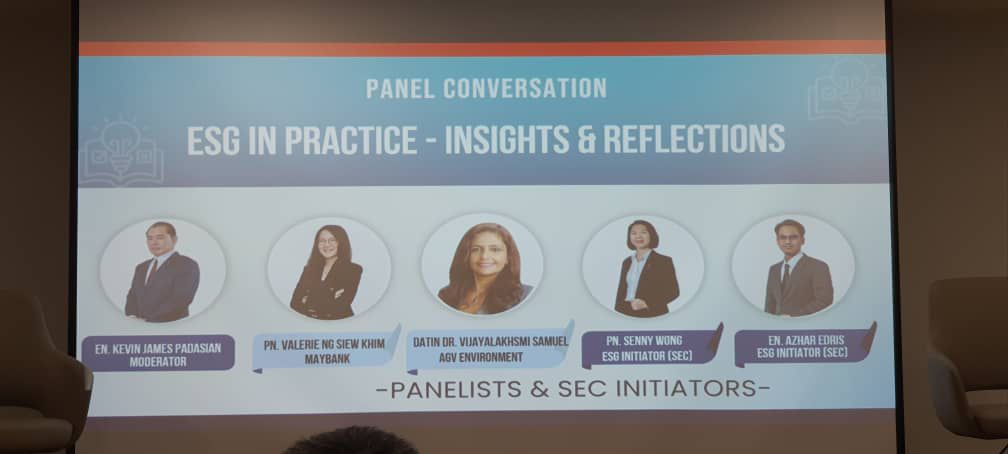
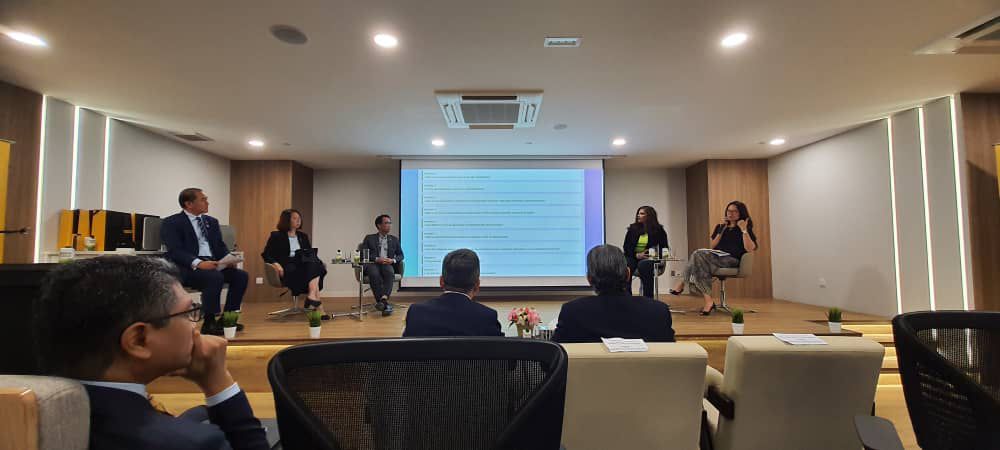
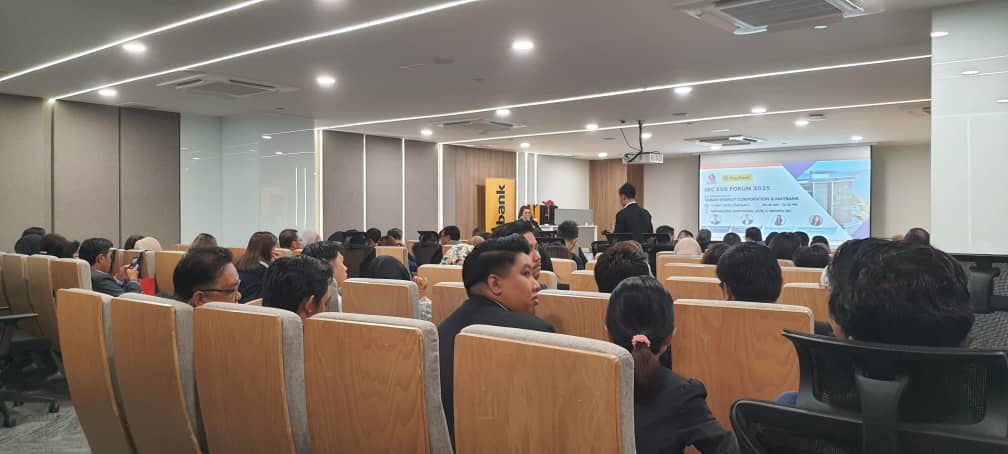
Sabah Energy Corporation Sdn Bhd (SEC) successfully convened its inaugural Environmental, Social, and Governance (ESG) Forum 2025 under the theme ‘From Intention to Impact: Building a Fit-for-Purpose ESG Future’ on the 13th of May at Menara SEC, one of Kota Kinabalu’s latest office landmarks. Datin Dr Vijayalakshmi Samuel of AGV was given the opportunity to be part of a panel session together with Maybank and SEC to discuss the integration of ESG within organisations.
The event brought together over 100 delegates from State agencies, GLCs, financial institutions, and sustainability practitioners, with the aim of fostering collaboration and accelerating ESG adoption across Sabah’s energy sector and beyond.
AGV’s participation and insights were also featured in Borneo News’ coverage of the event, highlighting the company’s ongoing commitment to advancing ESG practices in the region.


A sustainability policy can be an excellent starting point to embed the sustainability mindset within an organisation, and to more formally demonstrate your company’s commitment to sustainable practices. There are a few key factors to consider when establishing your sustainability policy, to ensure that the policy has focus and provides value.
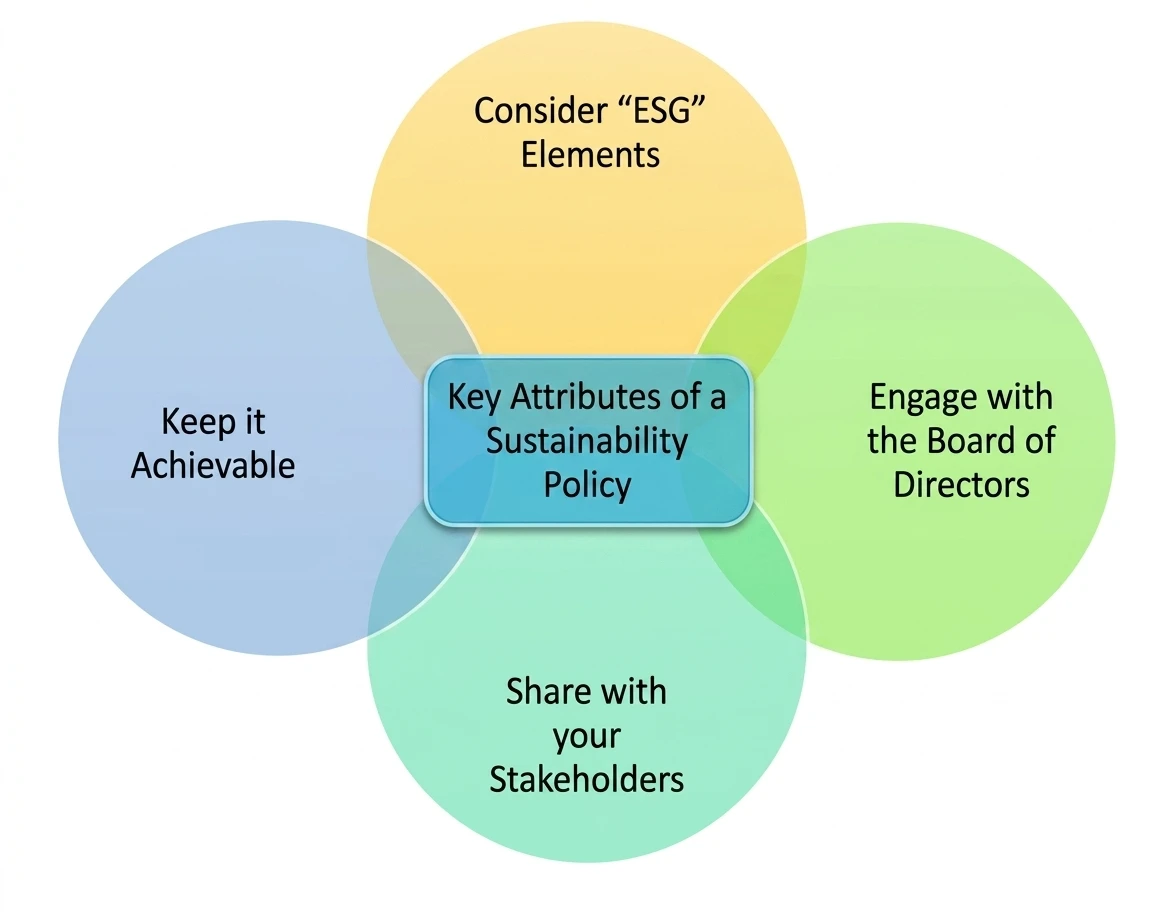
Firstly, to ensure correct focus, a sustainability policy should address all three non-financial facets of sustainability – Environmental, Social, and Governance (“ESG”). Relatively equivalent focus on each of these three pillars ensures a balanced sustainability policy. While all companies can include support of more general sustainability issues, such as greenhouse gas emissions, fair wages, and transparent reporting practices, specific areas of focus will depend on your company’s unique business operations. Consider including relevant and topical issues for your industry, such as biodiversity protection for those in the palm oil industry, or human rights and labour practices for those in the manufacturing sector.
The Board of Directors sets the tone for sustainability from the top, and they should be proactive and engaged with policy development. The second key element of a strong sustainability policy is official Board endorsement. The Board should also commit, via the policy, to reviewing and managing ESG-related risks and opportunities for the company on a regular basis – not simply as an annual reporting exercise.
Third, consider publishing your sustainability policy publicly, via your corporate website or company social media. While this is not yet a regulatory requirement, it can be an excellent tool to demonstrate your commitment to good ESG practices to your wider stakeholders.
Finally, while it is admirable to make your sustainability policy ambitious, it is also important to keep in mind what your company can realistically achieve. Overcommitment with your sustainability policy is simply setting yourself up for failure. Keep your policy commitments straightforward and achievable.
With these key attributes in mind, your team will be able to establish a comprehensive and focused sustainability policy – the backbone to enacting your company’s ESG ambitions.
Misconceptions about the Environmental, Social and Governance (“ESG”) may mislead you to believe that it merely duplicates Islamic Finance. In truth, both investment approaches are like the proverbial two sides of a coin; inasmuch as they are separate and distinct from each other, they also share similar characteristics of sustainable and responsible investing (“SRI”). Whereas ESG investing primarily considers what is allowed, Islamic Finance diverges from what is prohibited, but both financing modes point to the same goals of stewardship.
ESG encompasses sustainable investments related to environmental and social stewardship, supported by good governance, while Islamic Finance focuses on the stewardship of life itself, in compliance with the Shari’ah law. The Islamic legal system forbids certain money-making schemes such as speculative investments (“gharar”), investing in prohibited (“haram”) activities, such as gambling and selling alcoholic drinks, and pursuing exploitative gains, such as generating interest income from loans (“riba”).
ESG principles direct the investment focus on the sustainability framework referred to as the triple bottom-line, wherein business performance is evaluated not only based on net profit but, more importantly, on the positive and negative impacts on people and planet. In essence, this value creation strategy aligns with the 17 Sustainable Development Goals (“SDGs”), the universal policy agenda which was officially adopted by the 193 member states of the United Nations in September 2015. When viewed from the lens of the SDGs, the convergence of the 1,600-year-old principles of Islamic Finance and the 21st century ESG investing principles becomes much clearer.
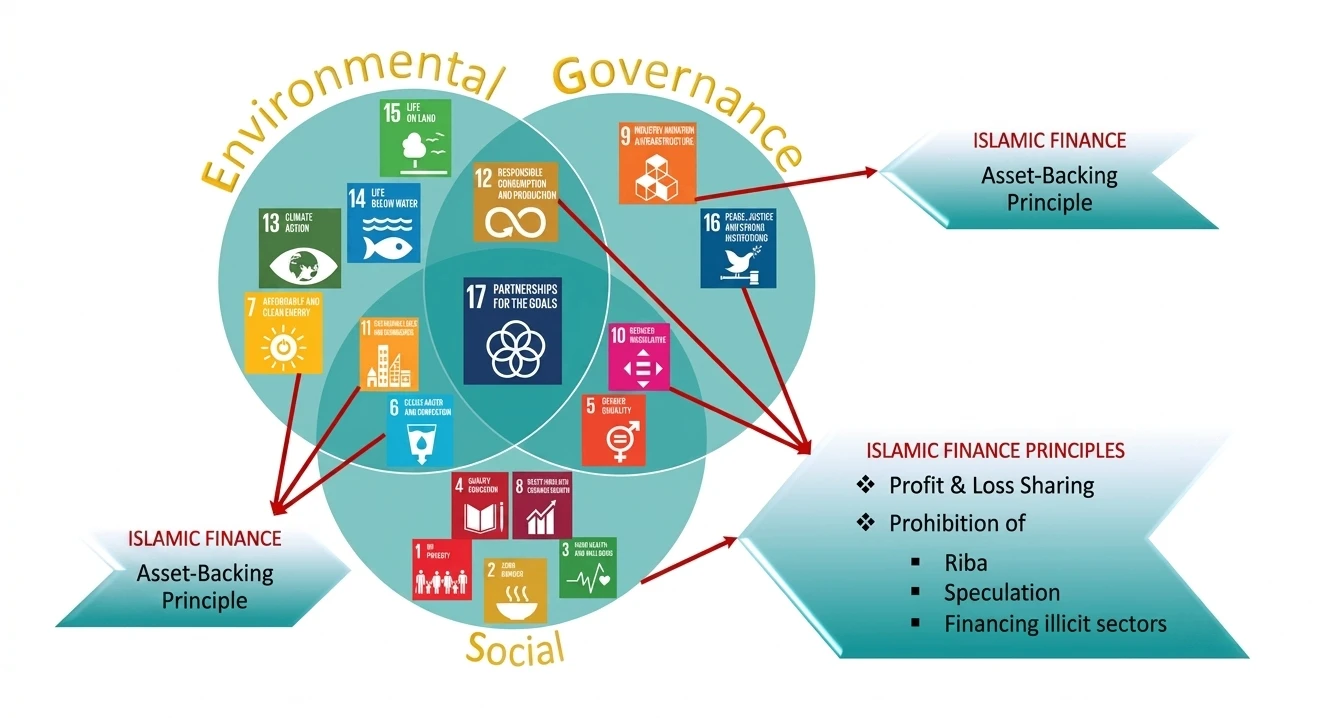
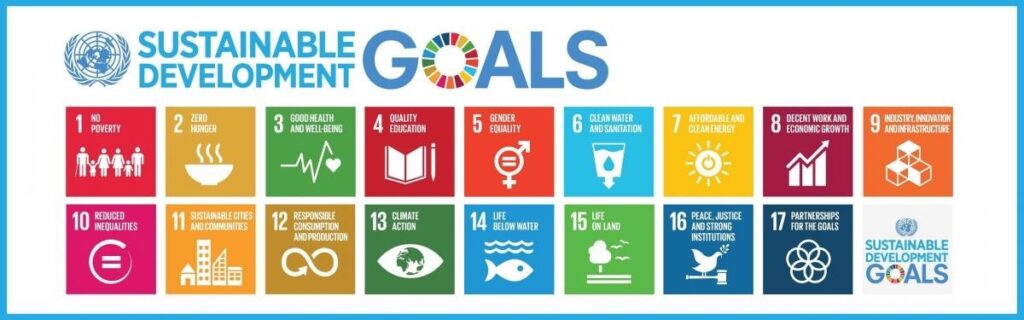
What is the best way to appreciate the close correlation between ESG and Shari’ah principles against the backdrop of the SDGs? Start by examining the social component of ESG which consists of goals that benefit society, such as poverty and hunger eradication, healthcare, education and decent employment. Next, compare this with the Shari’ah principles of profit and loss sharing. You will find that both principles point to the overarching goal of leaving no one behind in the pursuit of global development.
Similarly, you will also discover that the Islamic Finance rule of asset-based investment actually corresponds to the environmental goal of affordable clean energy (“SDG 7”) and the goal of industry, innovation and infrastructure (“SDG 9”) that is germane to corporate governance. There is no competition between ESG investing and Islamic Finance. Instead, they complement each other as fund-raising mechanisms that companies can utilise to pursue their commitments to contribute to the achievement of the global sustainable development goals.
More than just a fleeting buzzword, sustainability has become a management imperative, especially as businesses strive to recover from the ravaging effects of the Covid-19 pandemic. If your business is among those that previously thrived to serve the needs of modern society but have suffered tremendous losses due to state-imposed lockdowns, there is a way for you to “build back better”, provided you walk the path of sustainability. This means that your business strategy, management practices and operations are closely aligned with any of the 17 Sustainable Development Goals (“SDGs”).
As investors, regulators and stakeholder groups are demanding a sustainable and resilient economic recovery, Sustainability-Linked Loan (“SLL”) is viewed as the better alternative to traditional capital raising approaches. Aimed at stimulating environmentally and socially sustainable economic activity and business growth, an SLL is defined as any type of loan instrument and/or contingent facility that incentivises the borrower’s achievement of ambitious, predetermined sustainability performance objectives[1].
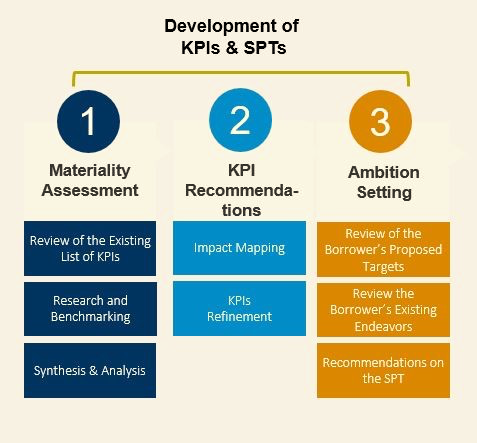
Banks and financial institutions that provide SLLs evaluate a borrower’s sustainability performance through measurable Sustainability Performance Targets. SPTs include key performance indicators (“KPIs”), metrics and external ratings to measure the borrower’s sustainability profile. Businesses, such as Public Listed Companies (“PLCs”), that have embedded the Environmental Social and Governance (“ESG”) principles into their business conduct and have reported their progress either through the Sustainability Statement in their Annual Reports or in a stand-alone Sustainability Report are well-positioned to avail of SLLs.
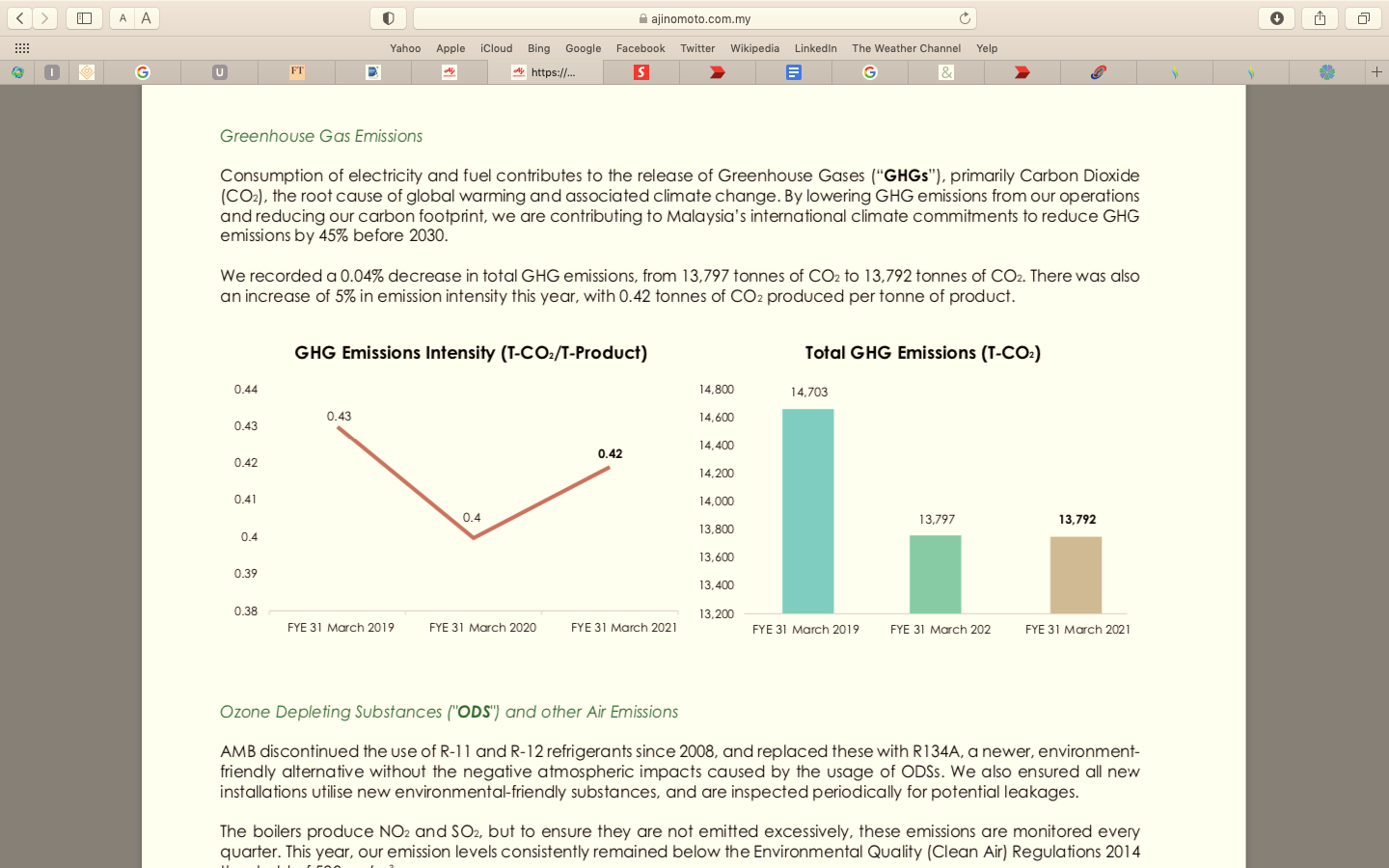
One PLC that has benefited from an SLL facility is Ajinomoto (Malaysia) Berhad. In December 2020, the Japanese multinational food additive manufacturer entered into a RM100 million Sustainability-Linked Islamic Financing Agreement with MUFG Bank (Malaysia) Berhad. Demonstrating its status as a responsible steward of the environment, AMB has embarked into an environmentally-friendly industrial development with the construction of a manufacturing plant at the Techpark@Enstek in Negeri Sembilan.
The strong collaboration between AMB and MUFG showcases how SDG 17 – Partnership for the Goals – can be leveraged by businesses and financial institutions, using SLL as a principal mechanism, to jointly rebuild economies that were wrecked by the pandemic and at the same time pursue the achievement of the 2030 global sustainability agenda.
Business leaders understand that nurturing strong relationships with stakeholders through effective communication is essential for long term success. Critical to an organisation’s Strategic Plan, a Stakeholder Engagement Plan can bolster collaborations between the business and stakeholders because it uncovers value-added benefits for both parties.
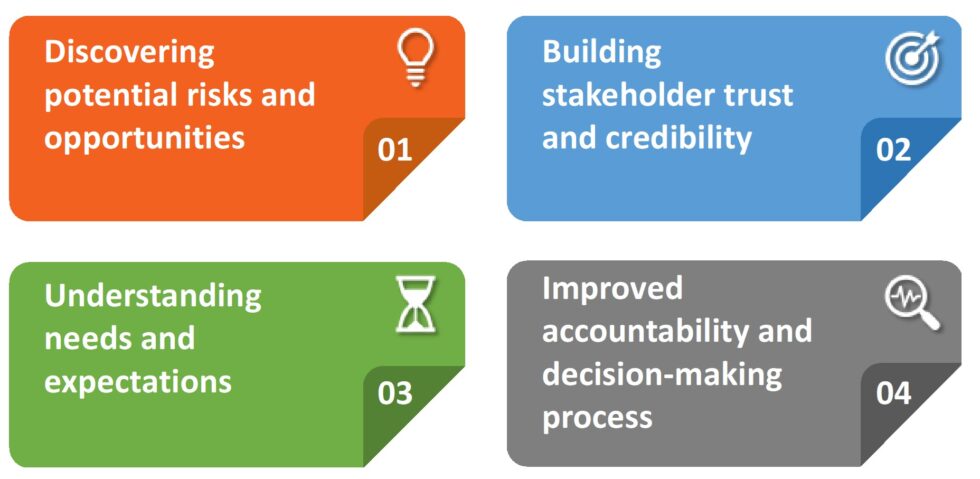
Who are Your Stakeholders?
Broadly classified into two categories, your stakeholders are those who have an interest in or influence over the organisation.
- Internal Stakeholders: People who are part of the company such as the Board of Directors, Management and Employees
- External Stakeholders: Entities who are impacted by all acts and outcomes of the business operations, such as suppliers, government regulators, customers and communities
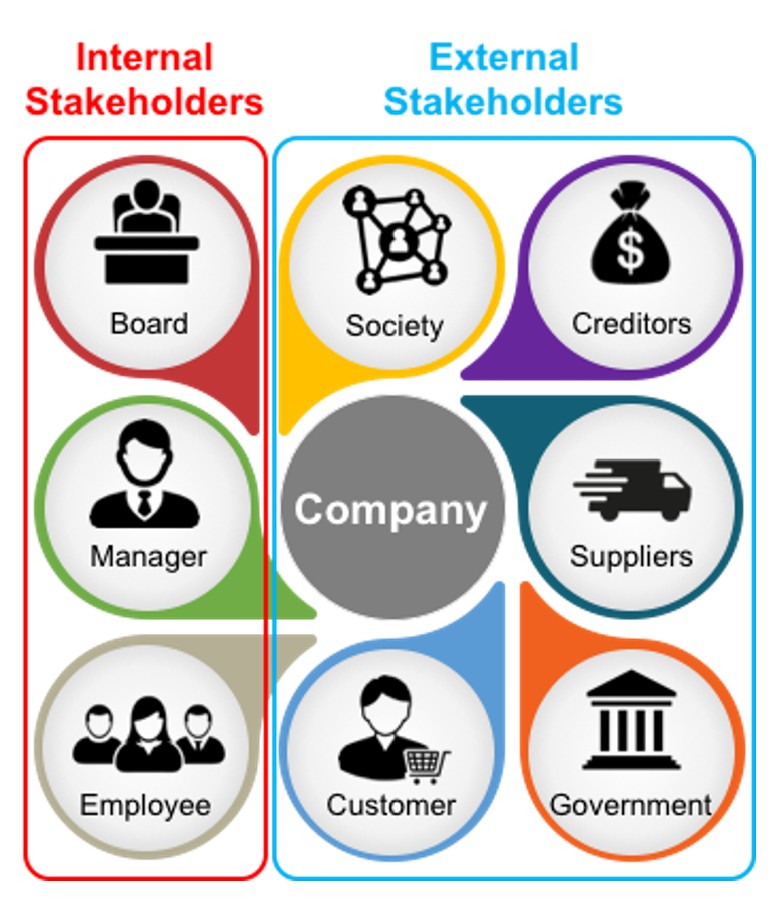
Managing Stakeholder Engagement Plan
With the availability of online tools, creating and managing a two-way communication mechanism with various stakeholder groups have become simpler and more efficient, especially when you follow a logical process.
Step 1: Identification of Stakeholder Group. The first step to stakeholder management is to identify and establish a stakeholder list. The main point is to be as comprehensive as possible so as not to overlook any important stakeholders.
Step 2: Stakeholder Analysis and Mapping. The stakeholder groups can be visualised on a matrix based on their level of influence over the organisation and their level of interest for the organisation.
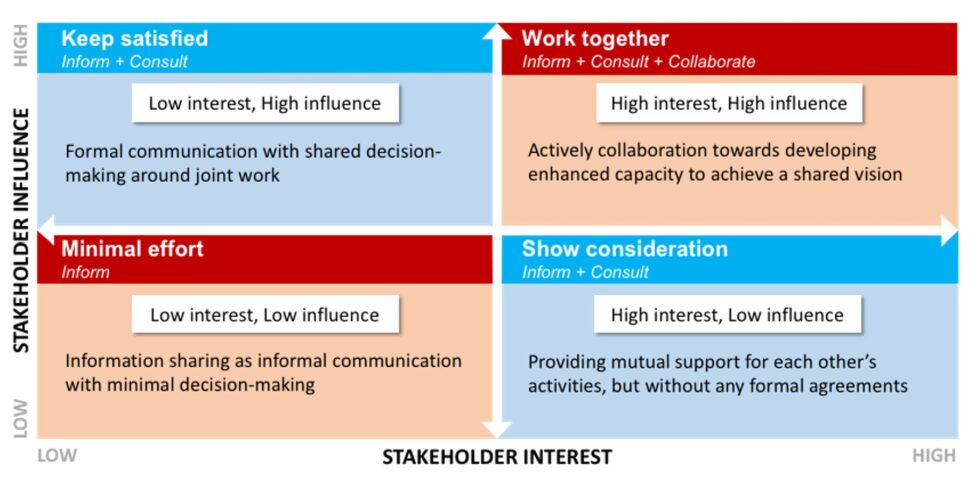
Step 3: Clarity of Purpose. To be effective, your Stakeholders Engagement Plan must include the coherent purpose of addressing the concerns and expectations of your stakeholders depending on the business sector, resource allocation and stakeholder engagement roles.
Step 4: Building your engagement strategy. From the stakeholder analysis and engagement purpose, you can formulate a strategy that serves as a blueprint for when and how to communicate with your stakeholders.
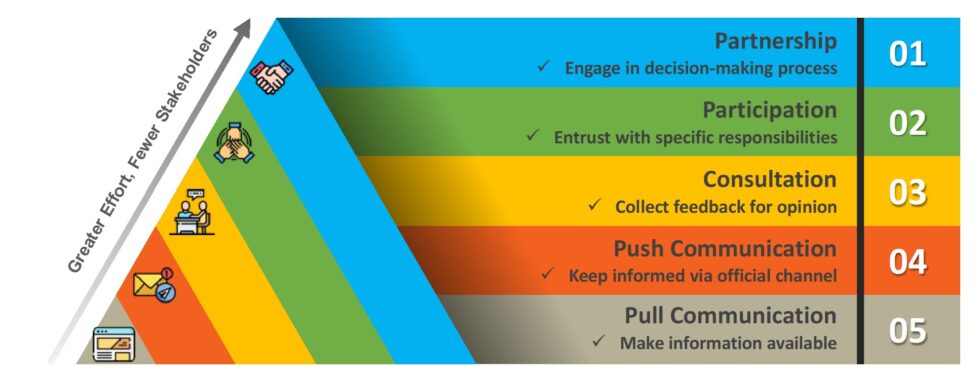
As an essential prerequisite in Sustainability Reporting, undertaking a Stakeholder Engagement exercise provides a clear path towards managing stakeholder concerns in an appropriate manner. It also demonstrates your organisation’s commitment to be consistently transparent and accountable to your stakeholders as you work together in the pursuit of common goals.
Sustainability is a prominent topic of discussion in today’s market as more and more people become invested in how businesses conduct themselves sustainably. It is, therefore, important for companies to showcase their journey toward becoming a more sustainable business. However, sustainability is an all-encompassing subject matter that entails difficulty in terms of managing and measuring a business entity’s contributory efforts in achieving the sustainability agenda.
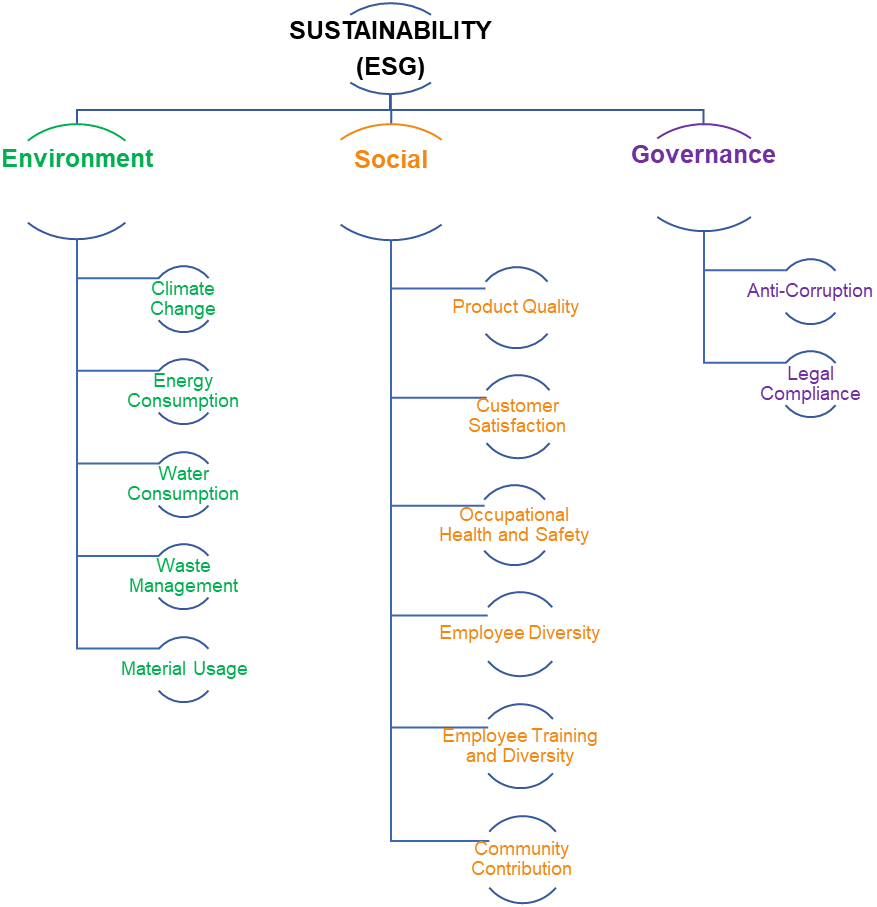
Sustainability covers various issues that stem from three main pillars known as environmental, social, and governance (ESG). To better navigate sustainability, businesses can narrow down the ESG concerns to specific subjects that they deem material to their operations and are also important to their stakeholders. Known as the material sustainability matters or material matters, these specific topics can vary from simple topics such as electricity and water consumption to more serious concerns such as climate change and legal compliance.
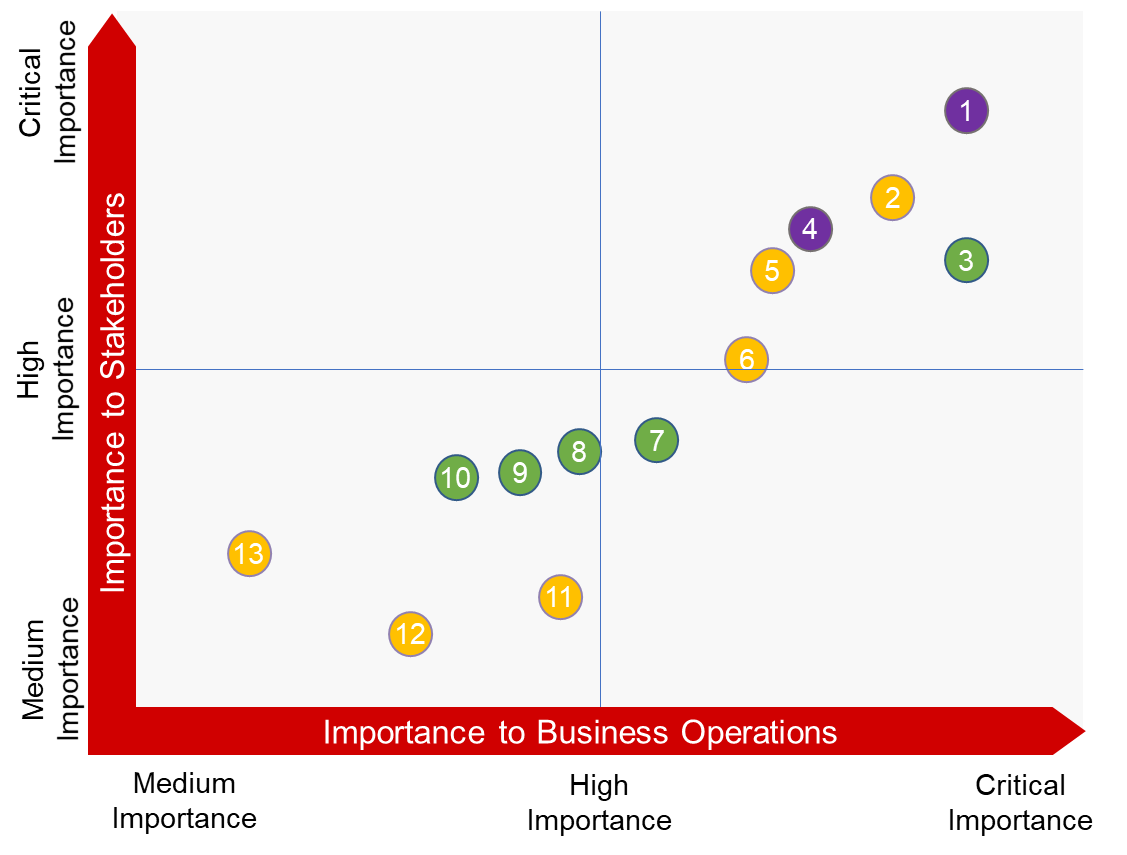
From these material matters, businesses can then conduct the materiality assessment to produce a materiality matrix. The materiality assessment and the matrix enable companies to prioritise their material matters according to the degree of importance. This is done by ranking each material matter based on their relative significance to the company’s business operations. The materiality assessment also considers the opinions of the stakeholders, such as investors, shareholders, customers, regulators, suppliers, and more importantly, their employees.
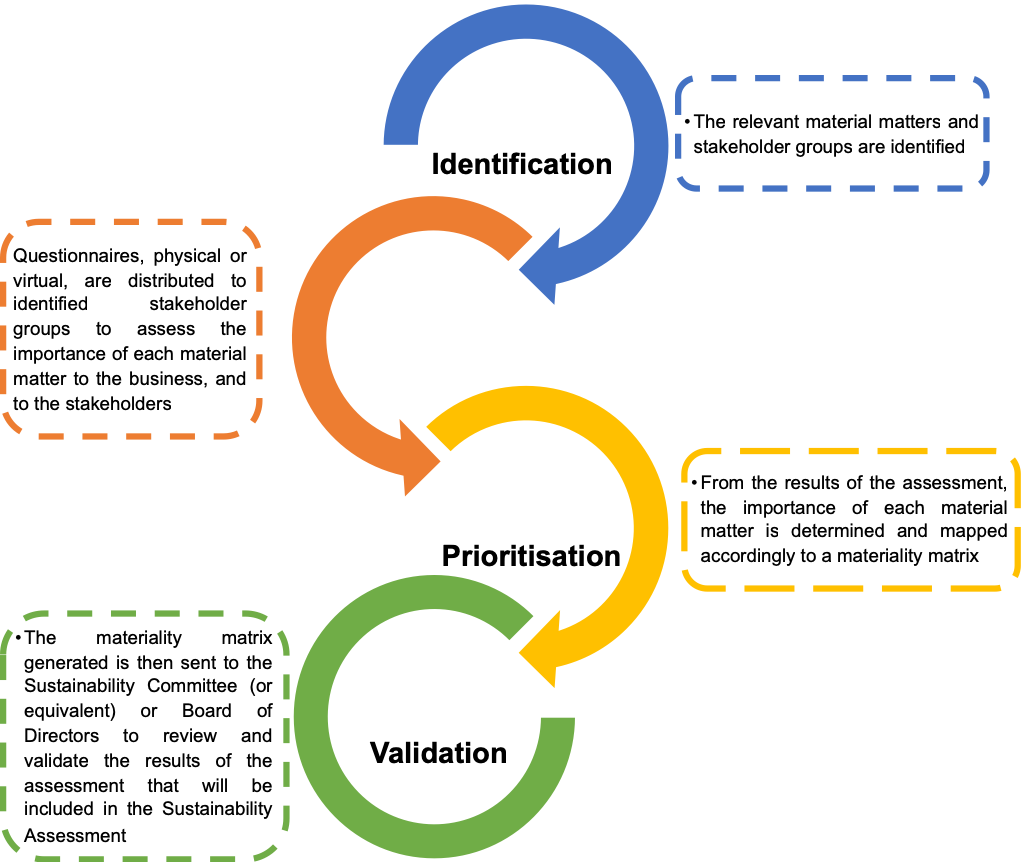
The materiality assessment exercise reveals useful and actionable insights into the ESG priorities of both the business and its stakeholders. After ranking each material matter according to its importance to the business and to the stakeholders, the materiality matrix is then produced, showing overall rankings of each material matter.
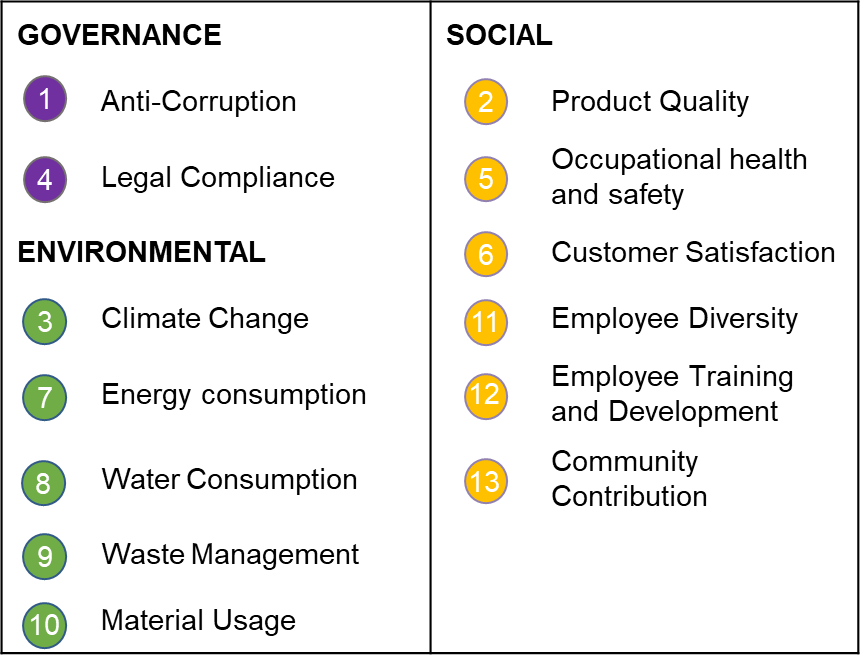
The benefits of an effective materiality assessment can be far reaching as it provides businesses with the solid foundation for a continuing engagement with their stakeholders with whom they share the vision for a sustainable future.
Sustainability has been catapulted as a business imperative for Public Listed Companies (“PLCs”) in Malaysia since May 2015 when Bursa Malaysia signed the voluntary commitment of the Sustainable Stock Exchange (“SSE”) to promote environmental, social and governance (“ESG”) performance in capital markets.
The SSE is a United Nations Partnership Programme jointly organised by four UN agencies. Launched in New York in 2009, the SSE initiative provides a peer-to-peer learning platform for stock exchanges to collaborate with investors, regulators and listed companies in advancing corporate transparency and performance relating to ESG matters.
As an SSE Partner Exchange, Bursa Malaysia needed to introduce changes to its Main Market Listing Requirements in October 2015. The amendments entail that all PLCs in Malaysia must include a Sustainability Statement with disclosures on the management of material economic, environmental and social risks and opportunities in their annual reports.
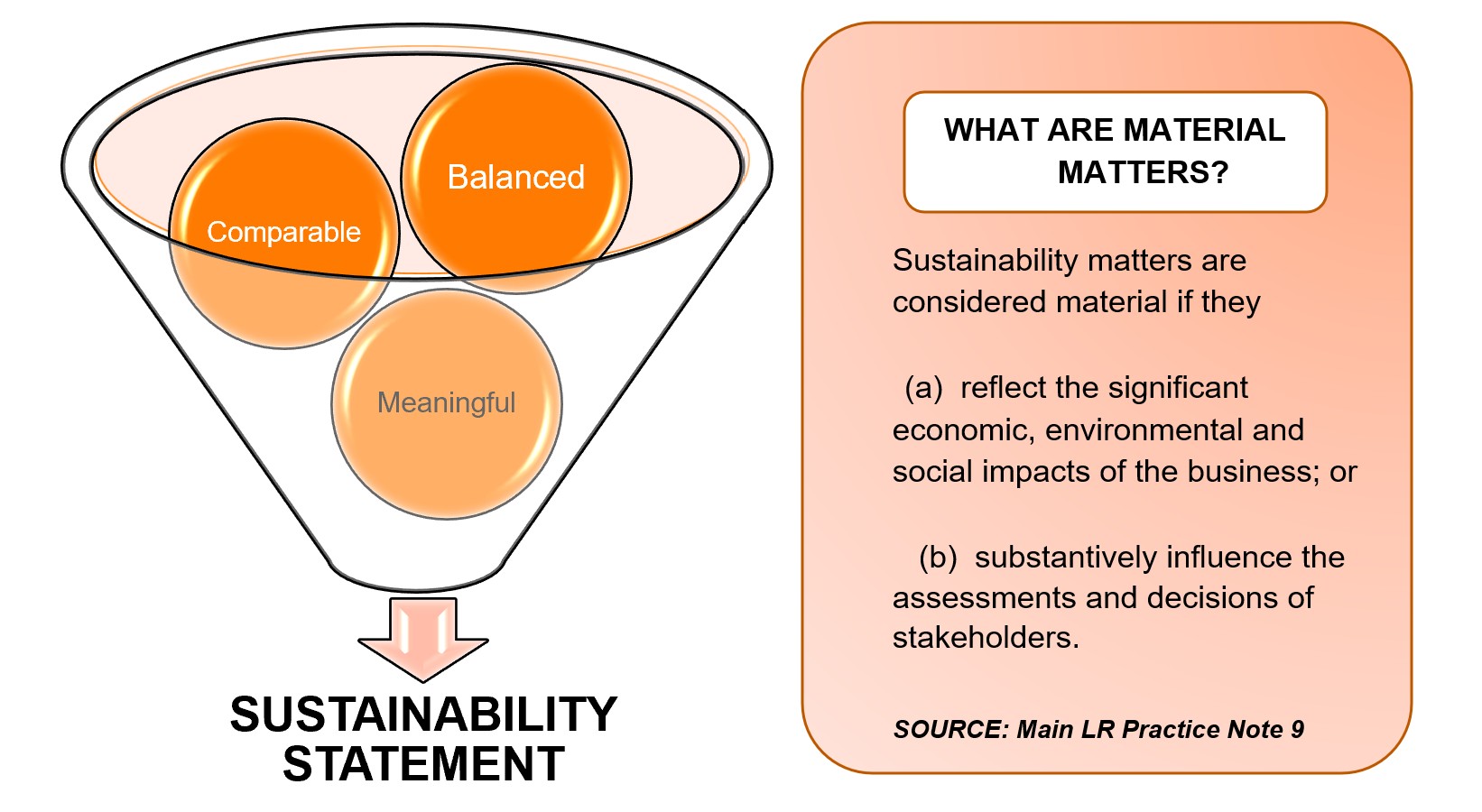
Replacing the previous requirement of the Corporate Social Responsibility statement, the Sustainability Statement must contain the following disclosures:
- Governance Structure to manage the EES risks and opportunities
- Scope of the Sustainability Statement and basis for the scope
- Material Sustainability Matters with explanation on why the topics are material, how they were identified and managed, including details on policies, measures or actions taken, and relevant indicators demonstrating performance
Operating as the ESG performance report card, a data-driven and science-based Sustainability Statement can prove daunting and time consuming to produce. Unless the PLC has a dedicated Sustainability or ESG team, it would make more sense to outsource this task to a competent consulting firm to ensure that the report is compliant with Bursa Malaysia’s requirements.
As governments forge ahead to rebuild economies that were devastated by the pandemic in recent years, the concept of green financing was propelled to the forefront of inclusive recovery. This evolves from the global sentiment that seeks to ensure that, this time around, no one is left behind in the collaborative efforts towards global peace and development.
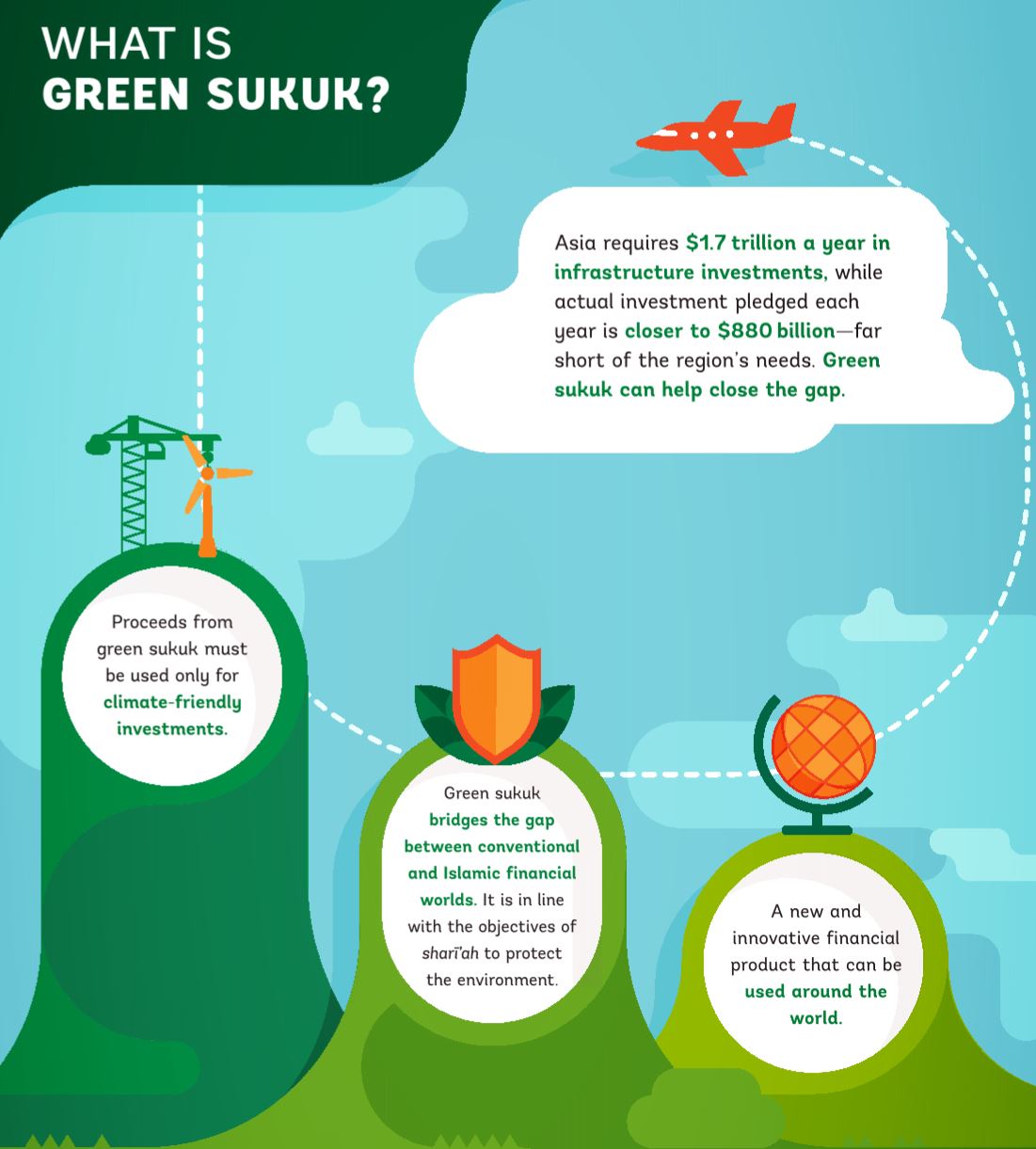
Following the historical COP26 summit in Glasgow in November 2021, the 11 countries within the Association of South East Asian Nation (“ASEAN”) region was fortunate to be endowed with the Green Recovery Platform. With a pledge of $665 million from four entities including the government of the United Kingdom, the platform was organized to accelerate ASEAN’s post-Covid recovery through low-carbon and climate resilient infrastructure projects. With almost 50{e2efd7d5d4a5b8e76ab3b9430b8b175388cbfccecb800ba393cdb759d9cc8d29} (US$300 million) of the funding to be forked out by the Green Climate Fund, opportunities are ripe for Green Sukuk – the Shari’ah compliant investments in renewable energy and other environmental assets. Green Sukuk forms part of Islamic Green Finance which includes green bonds and carbon finance.
The World Bank considers green sukuk as “a unique capital market instrument merging green and Islamic finance.” This financial instrument shares similar features with the conventional sukuk or Islamic bond which primarily requires compliance with Shari’ah principles, except that the proceeds of a green sukuk can only be used to fund environmentally-friendly projects.
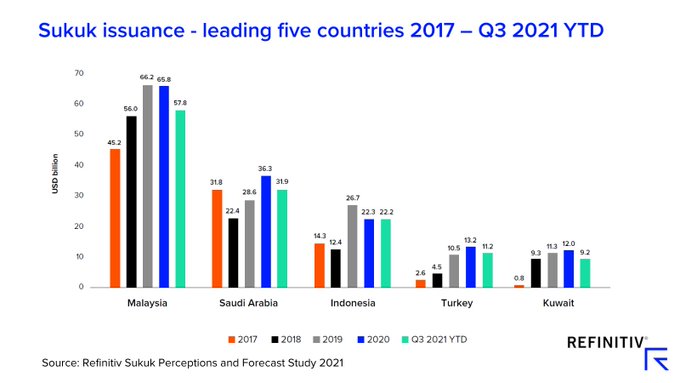
Green financing through Sukuk issuance entails tremendous growth opportunities for Malaysia, having pioneered the first green sukuk issuance in 2017 through the Sustainable and Responsible Investment (SRI) Sukuk Framework spearheaded by the Securities Commission. To date, Malaysia still maintains its dominant position and market share by almost 50{e2efd7d5d4a5b8e76ab3b9430b8b175388cbfccecb800ba393cdb759d9cc8d29} compared to next in rank, Saudi Arabia.
As the undisputed leader in the US$2.2 trillion global Islamic finance sector[1] and strongly supported by a proven and reliable regulatory framework, the truly Asian country is uniquely positioned to lead ASEAN in rebuilding the post-pandemic green, inclusive and sustainable world for the present and the future generations.
There are multiple benefits to the development of a comprehensive sustainability roadmap in executing your organisation’s sustainability strategy. The roadmap provides a clear pathway to achieve each individual sustainability target, a particularly useful tool when the execution of the sustainability goals will be the responsibility of a team, such as when sustainability goals fall under the purview of multiple departments. Secondly, assigning a time-specific target to your goals will improve accountability and can help prevent deadlines from being missed by leaving the work to the last minute.
Once you have decided to create a sustainability roadmap, where should you begin? Below is a process you can follow to get started with your roadmap – the first step for your company’s journey to becoming more sustainable.

Step 1: Identify the gaps. This step is critical in establishing the base for your roadmap. Once you have identified the gaps in your sustainability performance, or the key areas you want to focus on, you will have narrowed down the spectrum of potential sustainability goals and targets into a manageable foundation for your roadmap.
Step 2: Determine your timeframe. By when do you want to achieve your results? Three-year roadmaps or five-year roadmaps are best. Any longer than that and the potential for organisational changes makes the roadmap less valuable.
Step 3: Start small. Start by identifying the “low hanging fruit” from your gap analysis. These are the targets you can focus on for “year 1” of the roadmap. This will give you some immediate achievements to boost morale and demonstrate your commitment to sustainability to your stakeholders. This will also help you establish momentum and get your team used to referring to the roadmap for tracking your goals and progress.
Step 4: Work backwards. After identifying the “easy wins”, shift your focus to the biggest challenges identified in the gap analysis. These goals can be set for achievement at the end of your roadmap (3 or 5 years). Then work backwards to determine the smaller steps required each year to enable you to complete the larger task within the required timeframe.
Step 5: Get approval. It is essential for your roadmap to have support and buy-in from the rest of the team. This can include obtaining official endorsement from the management team or Board of Directors. You should also “pitch” the roadmap to all relevant employees in the organisation.
Step 6: Implement your roadmap. Now that you have identified your targets and broken down the necessary tasks onto a timeline, you can begin your journey! To ensure your annual targets do not become afterthoughts, you should establish a schedule for monthly or quarterly meetings so that all team members involved in the roadmap can update their progress, flag any challenges, and keep sustainability on everyone’s mind throughout the year.