

Climate risk regulation in Malaysia has moved decisively from guidance to su-pervision. What began with environmental classification frameworks has since evolved into formal expectations, with climate-related risks being embedded within governance, risk management and disclosure processes.
In 2021, BNM issued the Climate Change and Princi-ple-based Taxonomy (CCPT)', providing financial institutions with a principles-based framework to assess and categorise economic activities according to their climate objectives. This was followed by the Climate Risk Management and Scenario Analysis (CRM-SA) Policy Document, which set supervisory expectations across governance, strategy, risk appetite, risk management, scenario analysis and disclosure.
At the capital markets level, SC introduced Malaysia's National Sustainability Reporting Framework (NSRF), developed through the Advisory Committee on Sustainability Reporting?. The framework adopts the IFRS Sustainability Disclosure Standards issued by the International Sustainability Standards Board, including IFRS S2 on climate-related disclosurest.
The nation's regulatory architecture is clear-these frameworks signal that climate risks are no longer peripheral but must be treated as a financial and prudential concern.
The global push for climate action is driving governments and industries to adopt innovative technologies to cut emissions. Among them, carbon capture and storage (CCS) beneath the seabed has emerged as a potential solution offering long-term storage for CO2 emissions from industrial sources.
To ensure such technologies are deployed safely, the London Convention and its modern counterpart, the London Protocol, serve as key international frameworks. These treaties regulate the disposal of waste at sea and provide the legal basis for subsea CCS, balancing climate innovation with marine protection.
The London Protocol permits the safe injection and permanent storage of captured CO2 in sub-seabed rock formations, particularly from large single-point sources such as power plants and industrial facilities. It enforces strict environmental safeguards, including impact assessments, long-term monitoring, and risk management to protect marine ecosystems. Amendments have also enabled cross-border transport of CO2 for offshore sequestration, fostering international collaboration on climate mitigation.
This evolving regulatory landscape highlights the growing need for technical expertise in assessing the environmental implications of marine-based climate interventions. AGV is well-positioned to support such initiatives through its expertise in climate-related reporting and Ocean EIAs. With proven capabilities in aligning disclosures with global sustainability frameworks and navigating regulatory requirements, AGV can help proponents of CCS and other ocean-based solutions demonstrate transparency, compliance, and environmental responsibility.
Marine-based climate solutions are gaining traction, and AGV helps organisations align their sustainability reporting with global standards such as IFRS S2 and GRI. By helping translate complex initiatives into clear, credible disclosures, AGV supports stakeholder confidence and enables responsible climate action. To learn more about how AGV can support your environmental compliance and sustainability goals, reach out to our team.
AGV, leading environment, sustainability & climate change consulting group, can assist your data center project development to meet low-carbon data center criteria as required by local authorities and your customers.
With more than 10 years of experience in GHG Emission accounting, we can develop a comprehensive carbon footprint assessment Scope 1, 2 and 3, and develop a robust decarbonisation strategy that aligns with local authorities’ framework for low-carbon city development and national net zero and national energy transition roadmap.
Our consultants are certified to verify your carbon numbers to provide your data center with verified carbon footprint reports.
Our advisory services include renewable energy consultation and carbon credit offset to reduce your carbon footprint. We have the expertise to guide you to achieve a green data center requirement.
We offer our extensive experience in environmental consulting to mitigate environmental risks and meet DOE’s requirements.
- We can conduct quantitative risk assessment (QRA) for underground diesel storage for the back-up generators.
- We can propose water treatment from water discharged from air-conditioner chiller system to comply with regulations.
- Our Environmental Site Assessment services helps to determine baseline contamination levels and monitor possible leakage of diesel from storage tanks and during the storage tank filling process.
igure>
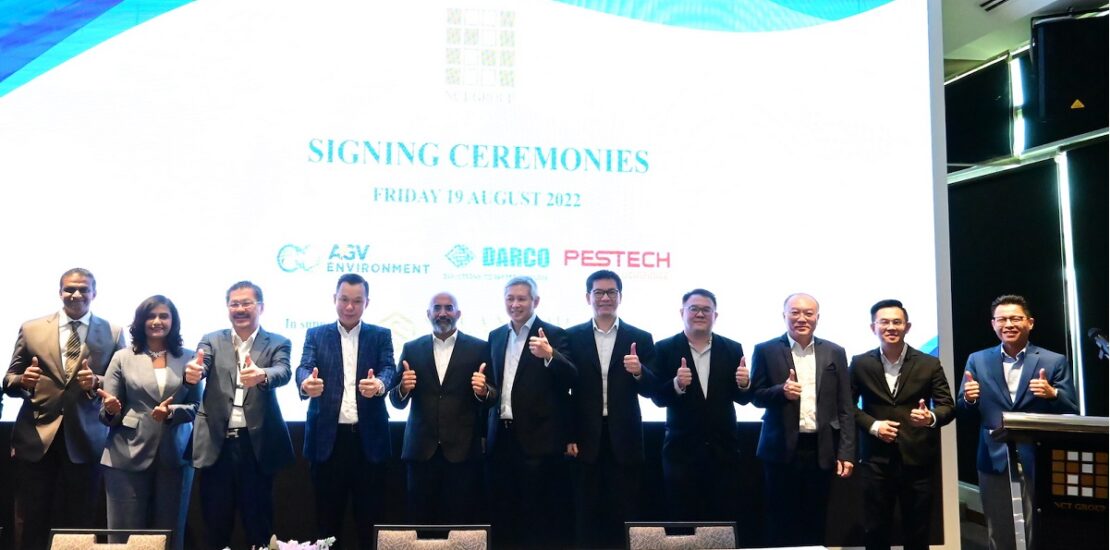
Sustainability is the driving force behind the SSIP project, and being the hub of functional expertise in this area, AGV is proud to be one of the project’s contributing partners. Our technical expertise and experience will contribute to the development of this eco-industrial park that stands to become an iconic sustainable development and the global benchmark for industrial parks.
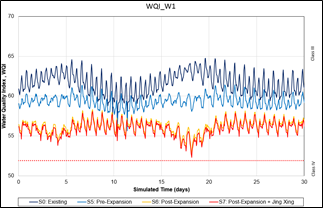
Large quantity of water is required by certain industries in Malaysia such as the beverage, textile, glove, power generation and paper manufacturers. AGV’s team has vast experience in the paper manufacturing sector, having conducted studies for five plants in the past. All of them consume huge amount of water and they cannot depend on treated piped water which is costly. The cheaper option is to abstract raw water from rivers and groundwater aquifers and treat the water themselves.
River water abstraction studies involved modelling and assessment of water quality, water availability, river hydraulics, aquatic ecology and socio-economy. Details of water intake station and treatment system are to be included in the report for approval of the State water authority.
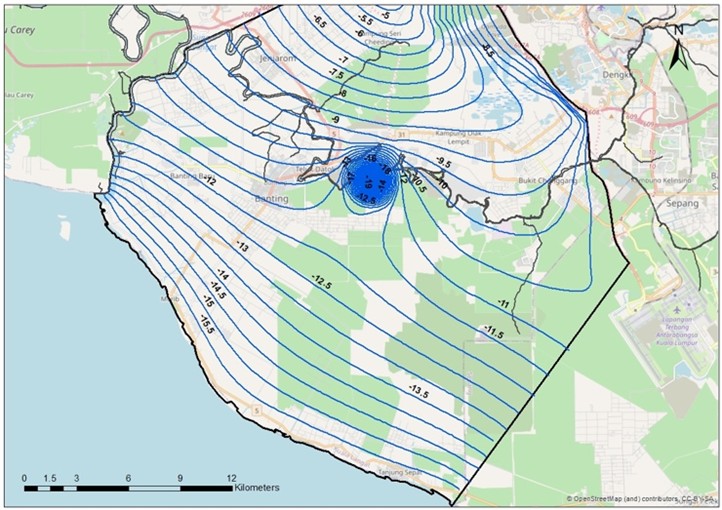
Groundwater abstraction studies are somewhat different due to the nature of the resource. Extensive geophysical field investigation works are involved to identify potential high groundwater zone, followed by drilling of tubewell(s) and pumping tests to determine the amount of groundwater yield. The groundwater modelling will assess the amount of sustainable yield or groundwater that can be abstracted with minimal impacts. Similar to river abstraction, the study will need to be approved by the State water authority before the permit can be issued for groundwater abstraction.
In 2021, AGV conducted an EIA study for a solar farm located in Gopeng, Perak. The 114.81 ha site was a matured oil palm estate located next to a nearby river. The owners of the estate had secured a tender from TNB to develop a solar farm or photovoltaic plant for the generation of electricity from renewable energy on the said site. The project was required to submit an EIA report for the approval of DOE Perak.
The large scale solar farm of 50 MW will feed the electricity generated to the nearest TNB main intake substation in Kampar about 15 km away. Overhead electric cables were to be used to connect the solar farm to the substation, which partially transects an environmentally sensitive area.
The assessment found that the environmental and social impacts of the project were expected to be low, with most of the impacts confined to within the site itself. There were few challenges during the assessment as the site was mostly flat land, easily accessible, and the surrounding residents welcoming the proposed development. Approval of the EIA was obtained within 4 months after commencement of the study.
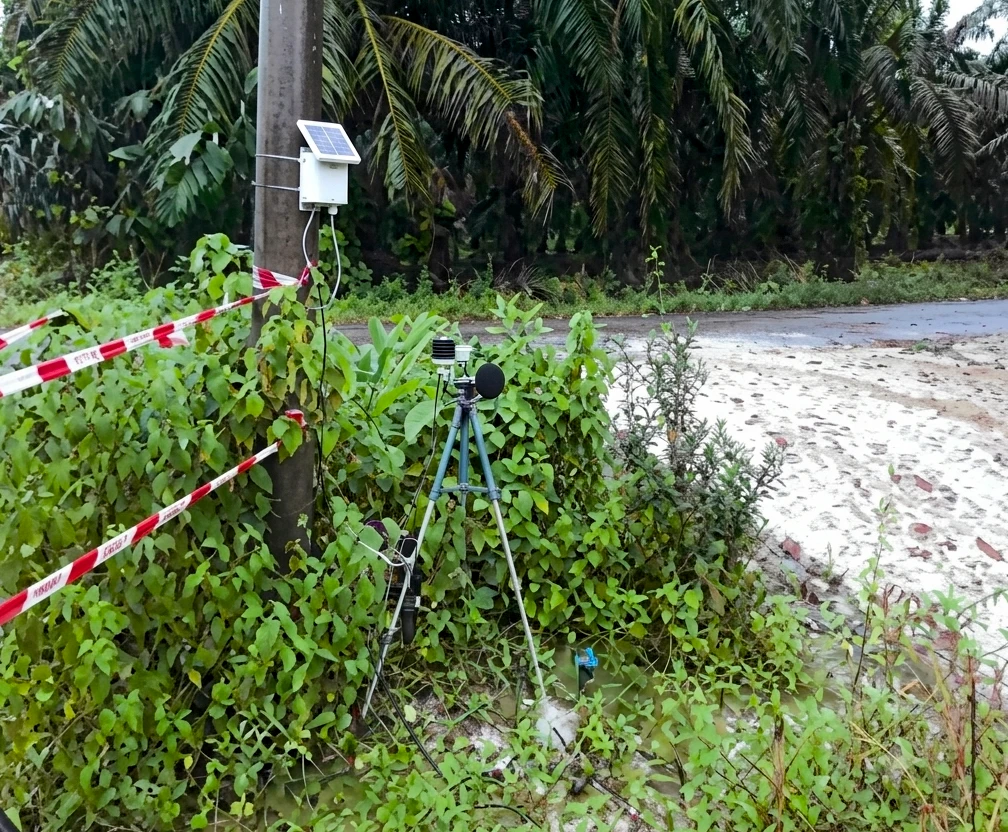
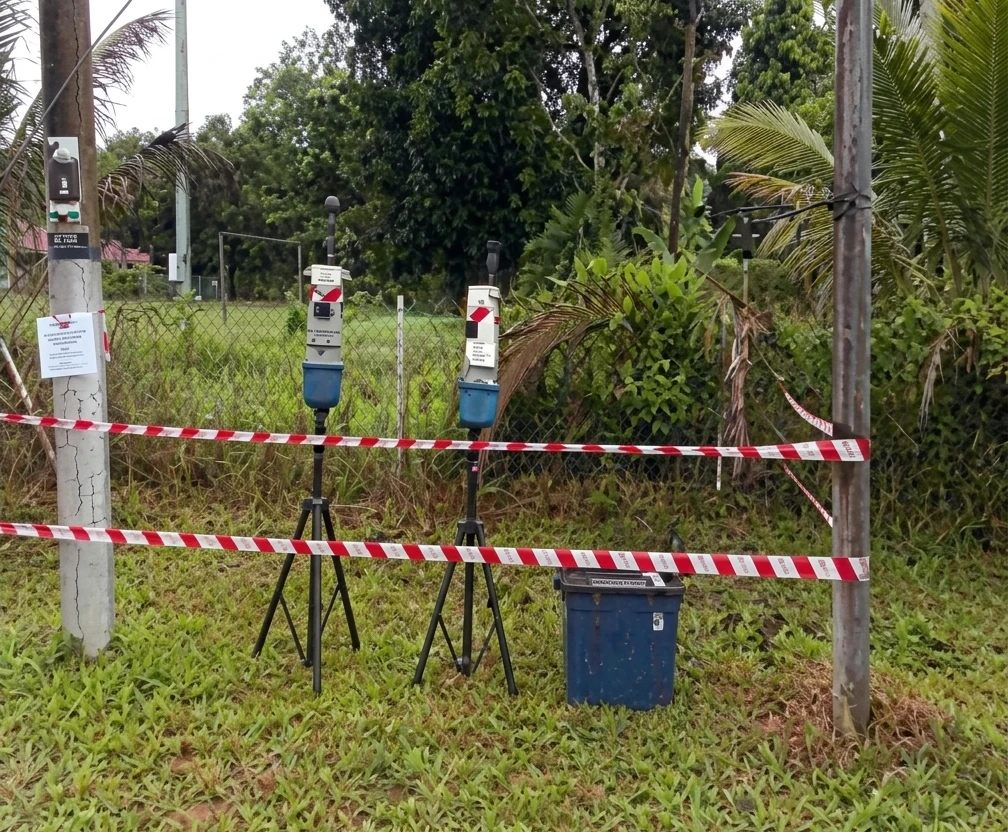
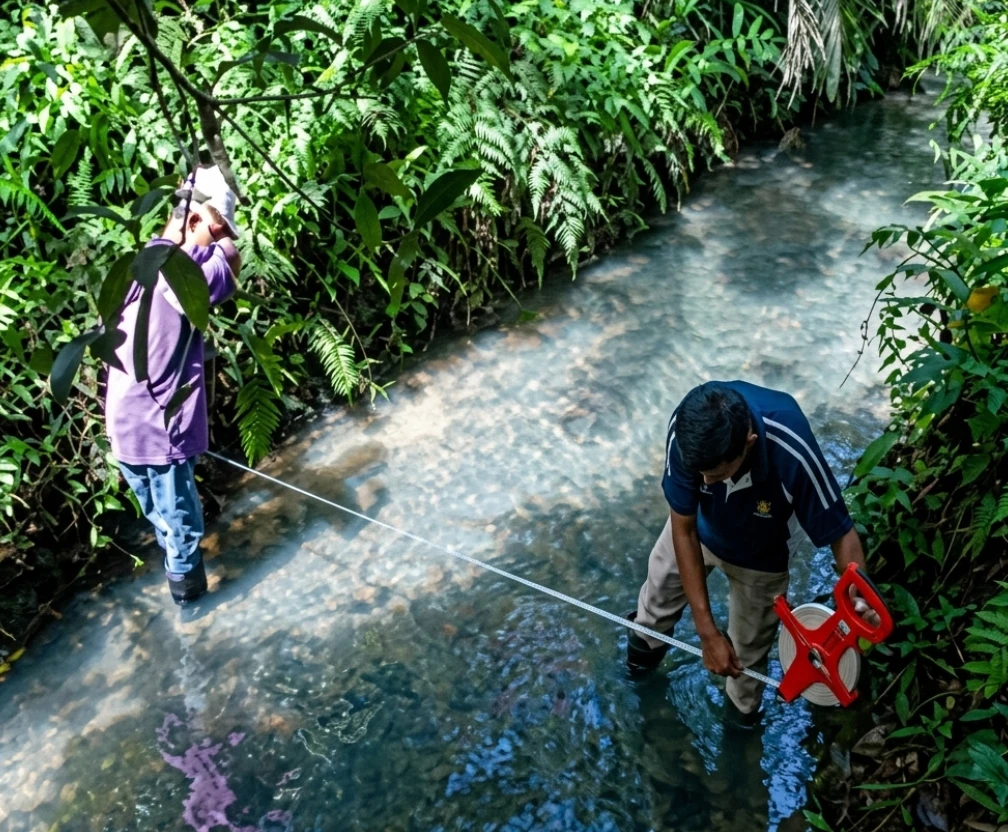
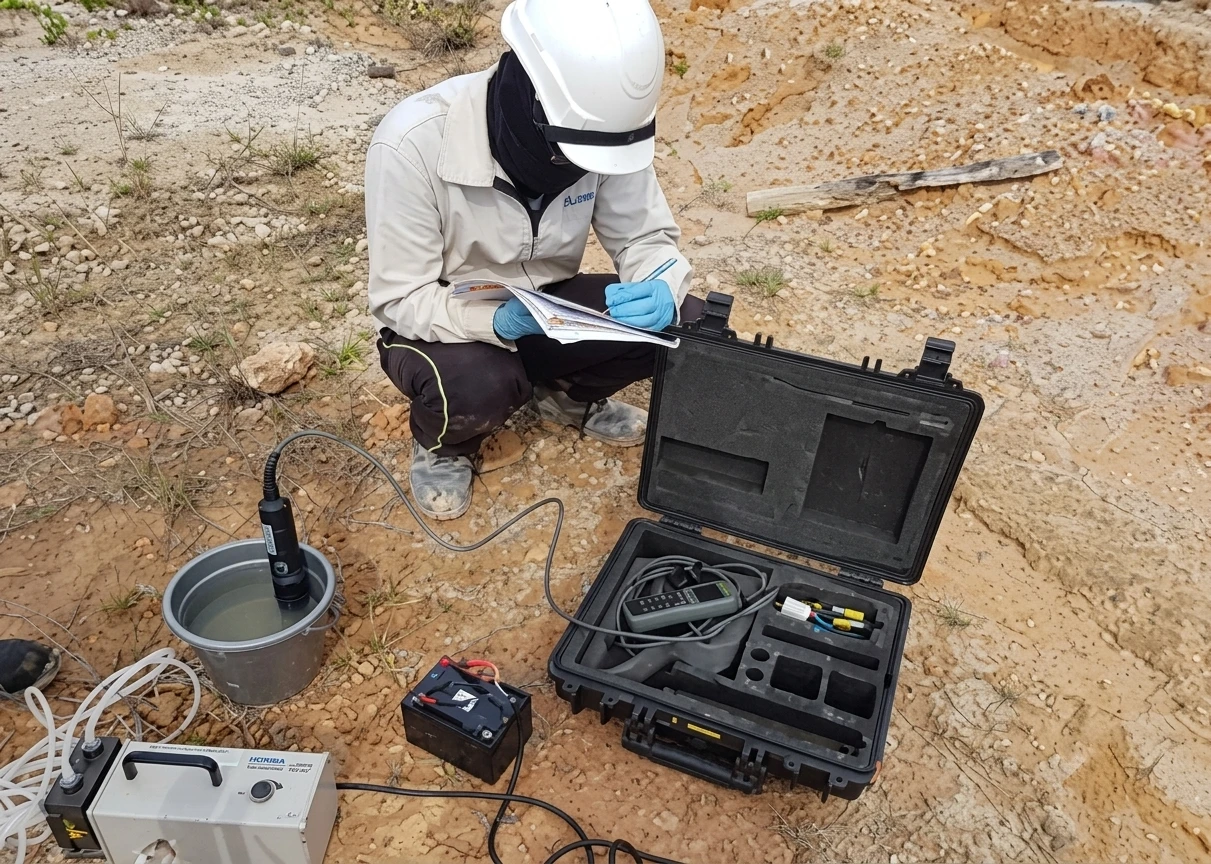
An essential part of due diligence during mergers and acquisitions of a property is conducting an environmental site assessment (ESA). AGV has conducted numerous ESAs for multinational companies. Phase II ESA which involves intrusive soil and groundwater investigation and analyses provides a comprehensive review of any pre-existing environmental conditions of a particular site. The exercise will identify the existence and scope of environmental contamination (such as petroleum, heavy metals, pesticides) as well as the presence in buildings of asbestos, lead paint or mold.
In short, an ESA determines whether the site has any contamination issues and serves to avoid unpleasant and costly surprises down the road. It is often a requirement in the application for international financing.
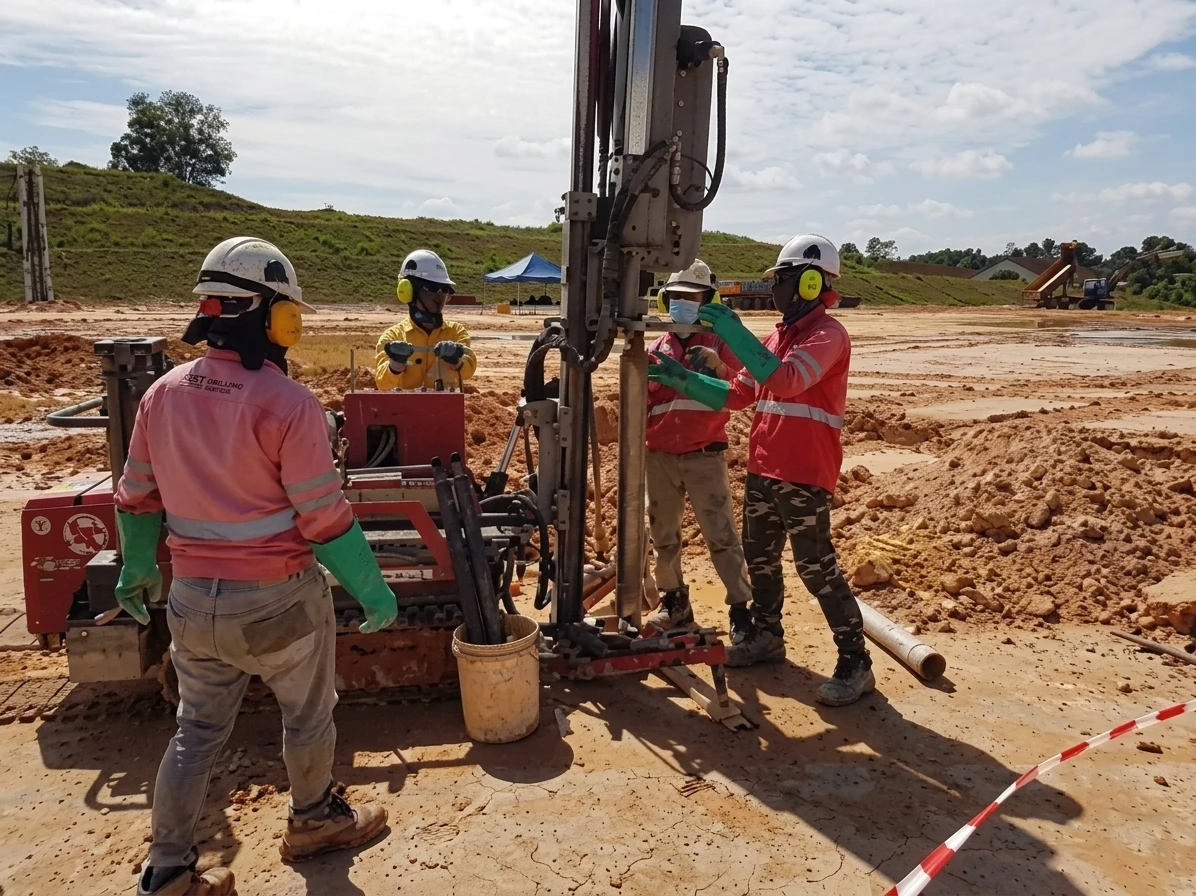
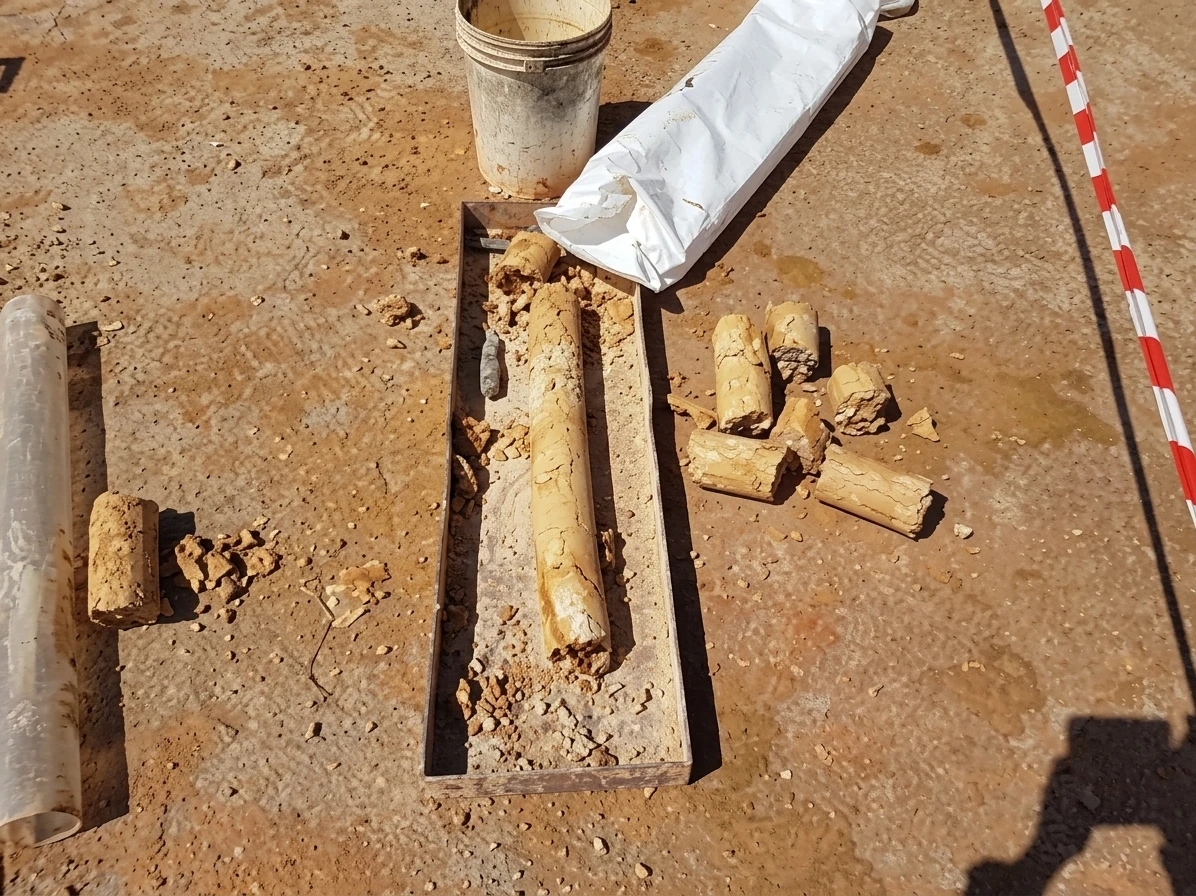
In late 2021, AGV conducted a Phase II ESA of a site in Penang, Malaysia for a global leader in semiconductor. Access within the 35-acre greenfield site in Kulim Hi-Tech Park was challenging due to intensive on-going construction activities. Inclement weather and soil conditions necessitated the relocation of some boreholes, affecting the overall drilling progress. A total of 18 soil and groundwater samples were collected and analysed with additional environmental baseline monitoring carried out.
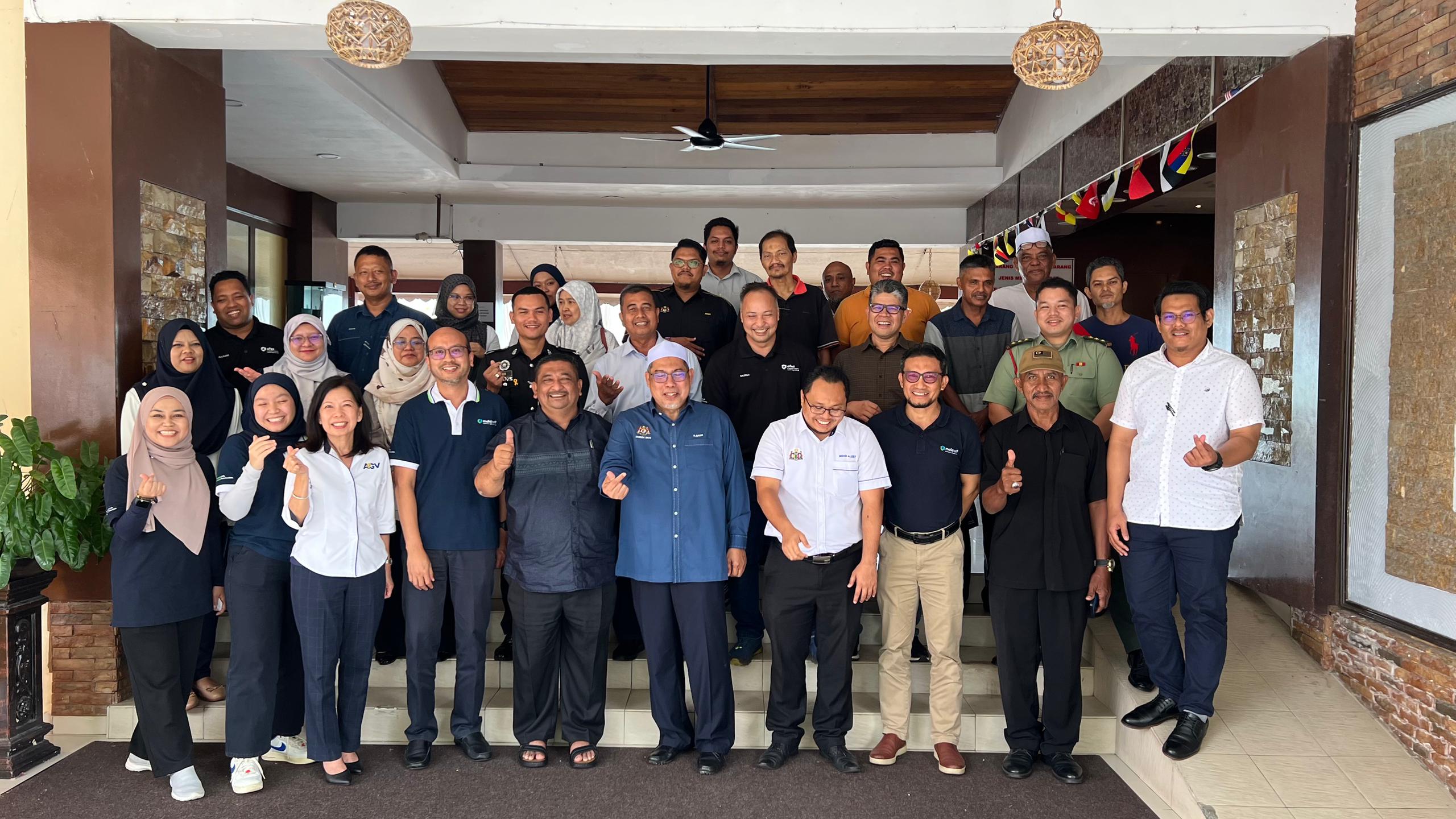
For a proposed mixed development encompassing approximately 300 acres in a strategic location in Negeri Sembilan, AGV was entrusted with conducting the SIA study. The proposed new township development is situated within a palm oil plantation, adjacent to several villages with good connectivity to existing highway network.
The assessment was initiated with a desktop study to identify the Zone of Influence and the stakeholders who will receive direct or immediate impact from the project. A comprehensive list of stakeholders, consisting of residents, business operators, and local workers was prepared from this exercise.
A sample size of 287 were determined for the social and perception survey. A team of trained consultants conducted interviews and obtained responses to the questionnaires given out to randomly selected respondents within the study area. Several focus-group-discussions were also held involving small groups of stakeholders, which included village heads, government agencies, businesses and others.
Findings from the environmental and traffic impact assessments were incorporated and assessed to determine the overall social impacts from the proposed development. The SIA report was submitted and approved by PLANMalaysia Negeri Sembilan.
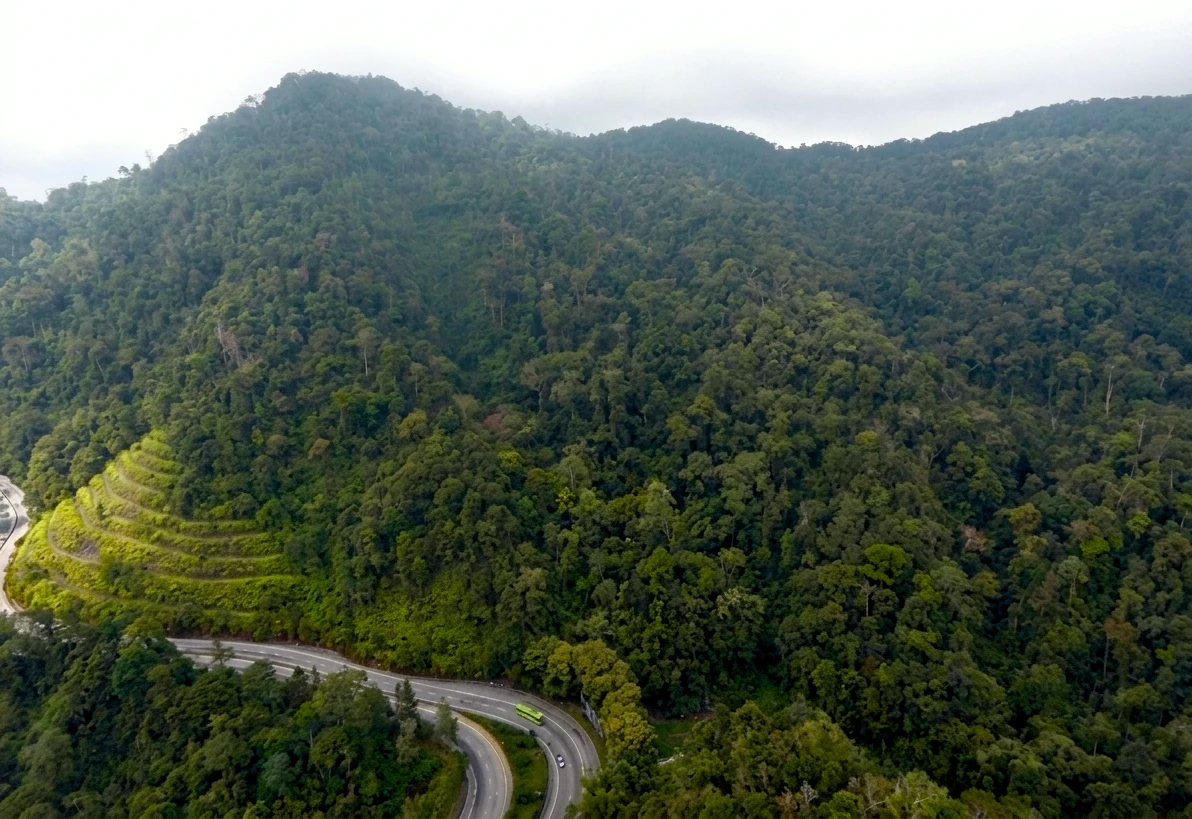
Given the oversupply of residential units and a rather sluggish outlook for the Kuala Lumpur property market, many investors are looking beyond the city center for potential growth. Genting Highlands which is less than an hour drive away proves to be an attractive alternative with its cool and cleaner environment and greenery. Development in highlands has its share of challenges. The hilly terrain and presence of headwaters demand careful consideration and design to the team of consultants, engineers and planners.
One such project that AGV was involved in was the development of a 112-acre mixed development within the mid-hills of Genting Highlands. Much of the Project site had slopes greater than 25° and is transversed by several small seasonal streams. Due to the terrain of the site, the development was deemed subject to the EIA Order 2015 and the report was processed and approved by DOE Headquarters.
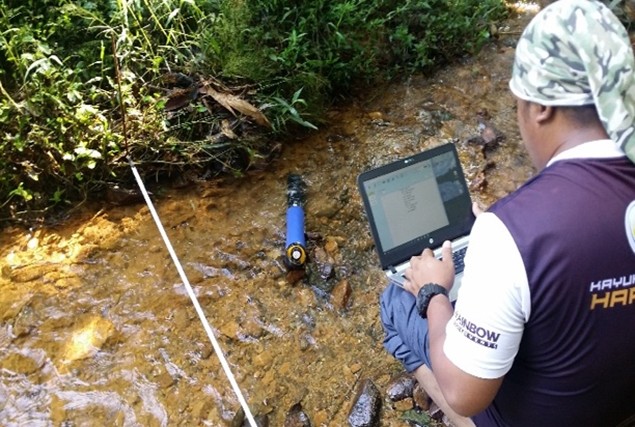
Ensuring the stability of slopes, minimizing soil erosion and conservation of the river water quality were of utmost importance. Assessment and modelling of water quality, soil erosion, noise and air quality were involved. Baseline environmental monitoring, ecological and land use surveys as well as socio-economy survey were carried out. AGV’s team of consultants are proud to obtain the EIA approval for the proposed development, to the satisfaction of the project proponent within the stipulated timeline.
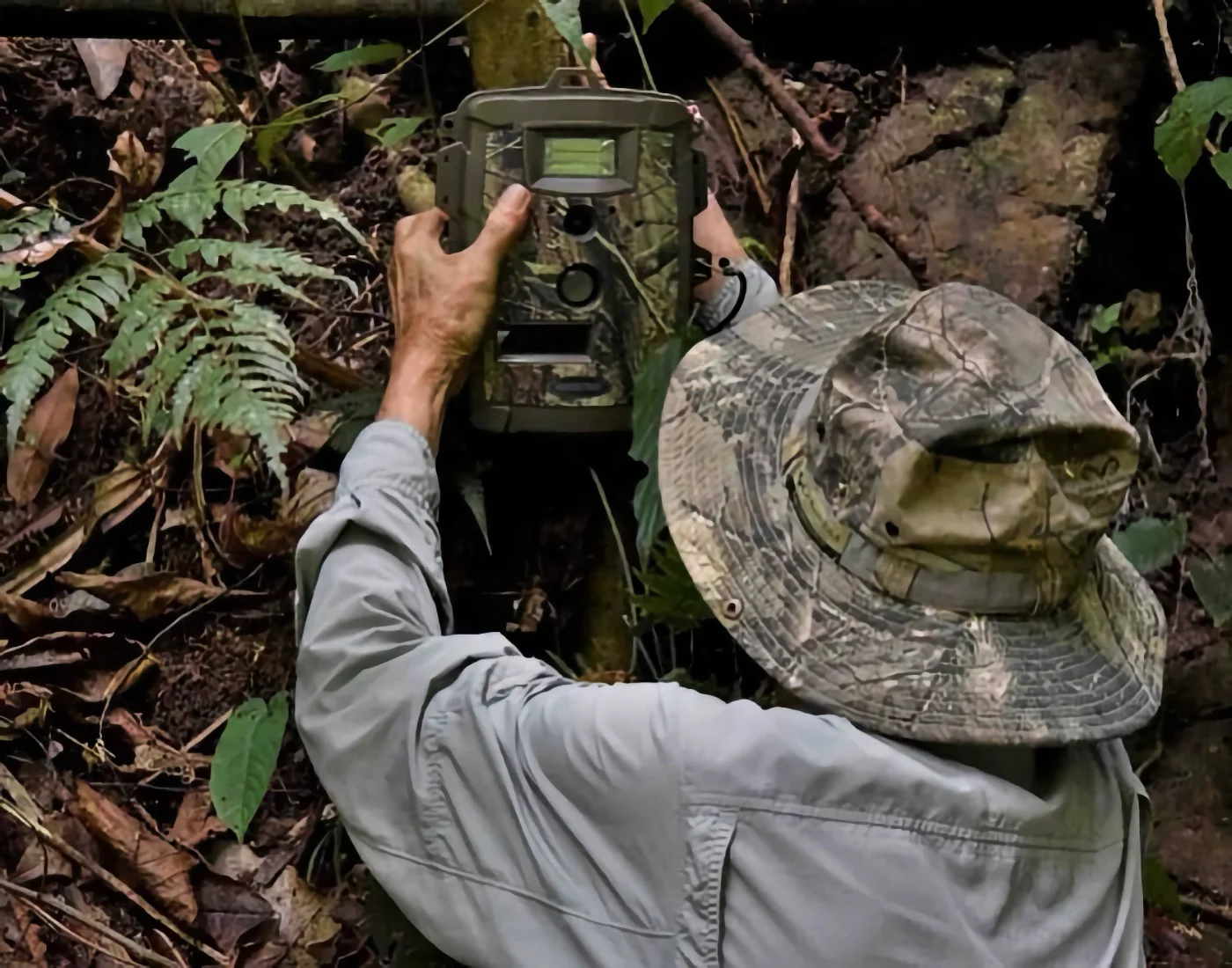
An Environmental Site Assessment (ESA) is a comprehensive review of a specific property to identify and evaluate the presence of recognized environmental conditions associated with the property. Phase I ESA consists of a thorough review of the historical use of the site and any adjacent properties. No physical testing is performed on soil or groundwater at this stage.
This review is crucial for property owners, land developers, lenders and any interested parties as part of due diligence to identify potential environmental concerns that could lead to costly cleanups of hazardous materials on the property or remediation of a site by the landowner. ESAs are typically conducted at properties with a history of commercial or industrial use.
For this exercise in Selangor, four sites comprising of three manufacturing facilities and one greenfield site were assessed by AGV’s team. The sites were being considered for purchase by a local major recycled paper manufacturer.
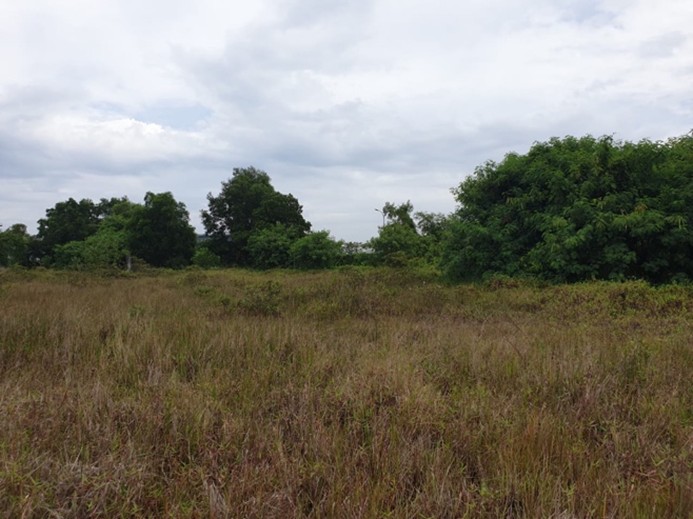
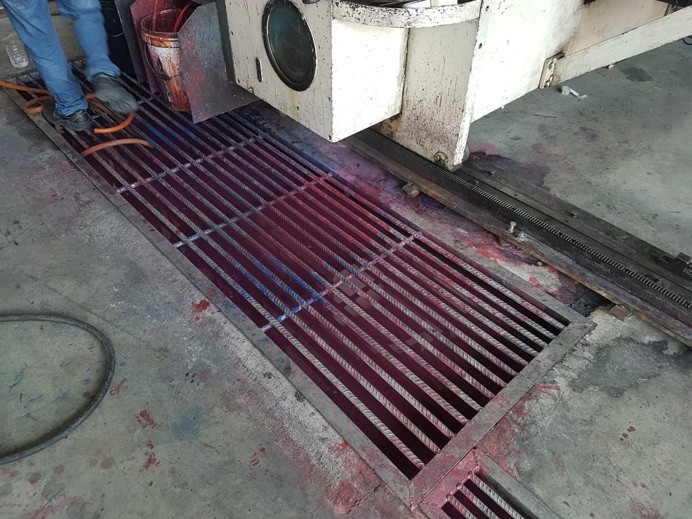
The assessment revealed no evidence of historical or potential soil or groundwater contamination on the said sites. Nonetheless, de minimis conditions and non-compliance issues were observed such as exceedance of industrial effluent standards, staining at production area and minor concrete cracks at secondary containment which could potentially lead to contamination. A Phase II ESA was recommended for further investigation.
igure>
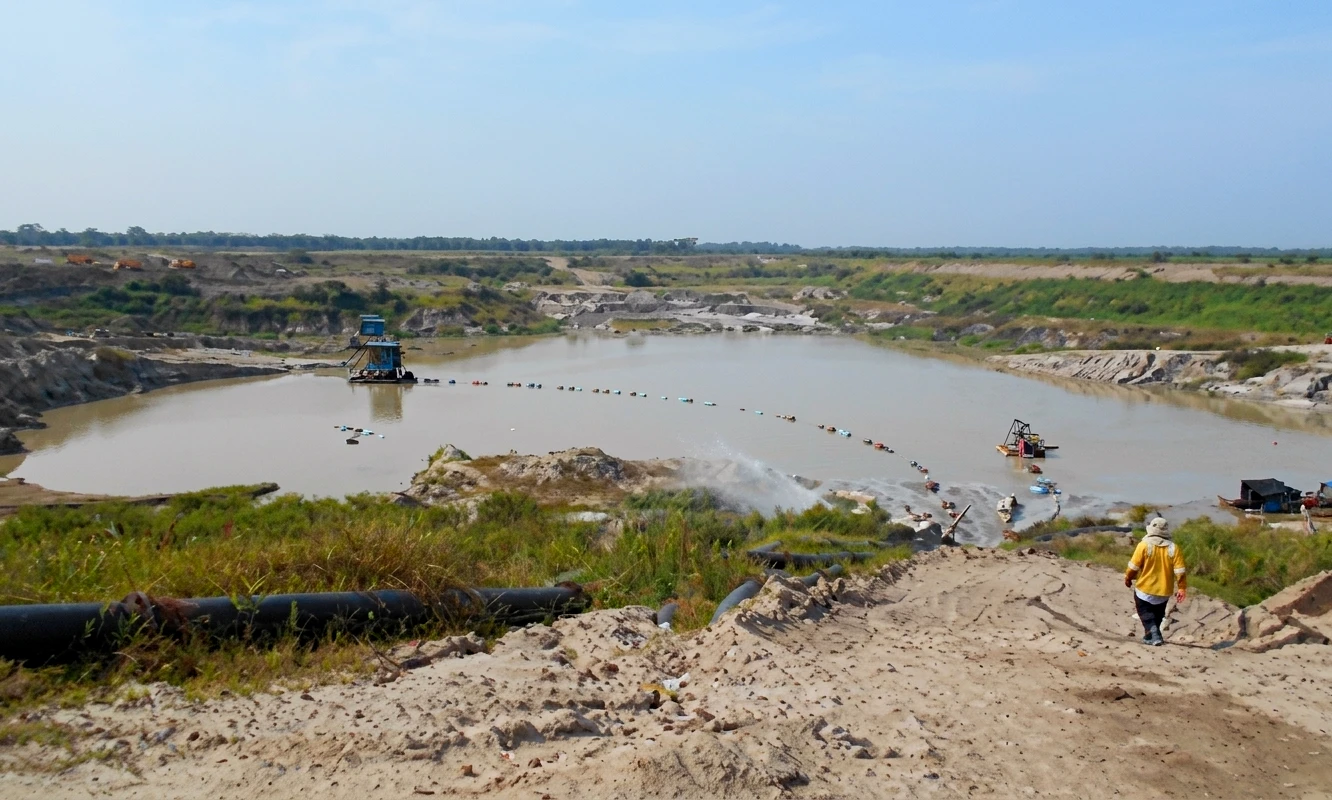
AGV conducted a Social Impact Assessment (SIA) for a proposed sand and tin mining project in Selangor which covered a total area of approximately 416 hectares of agricultural land. The study involved determining the baseline demographic profile of the impacted communities, assessing the perceptions and concerns of the local communities, performing a comprehensive assessment of impacts, issues and challenges that could potentially occur throughout the life-cycle of the project, as well as recommending appropriate measures to enhance positive impacts while mitigating the negative impacts. Prior to conducting the assessment, screening and scoping exercises were carried out to determine the category, criteria and guidelines involved.
While the main economic activities within the immediate catchment area are agriculture and manufacturing, there is adequate buffer between the project site and the nearest community. The project also did not involve any displacement of people, or relocation of properties, community facilities and amenities. On the contrary, the project will induce spillover effects with increased income, economic activities and revenue to the State.
A series of engagements and focus group discussions (FGD) with the various stakeholders were conducted to obtain feedback on the proposed project to better address the concerns and expectations of the impacted communities. The SIA report was reviewed and approved by PLANMalaysia Headquarters in 2018.
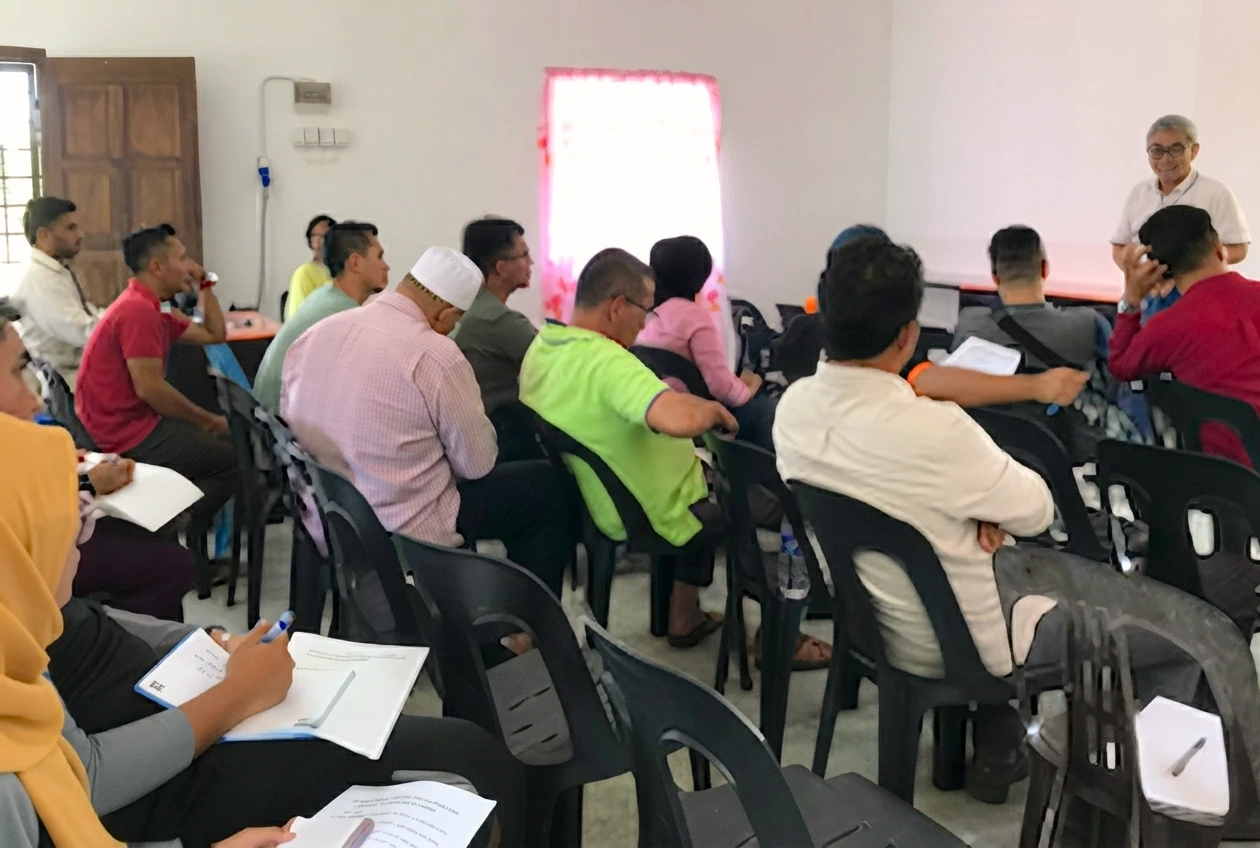
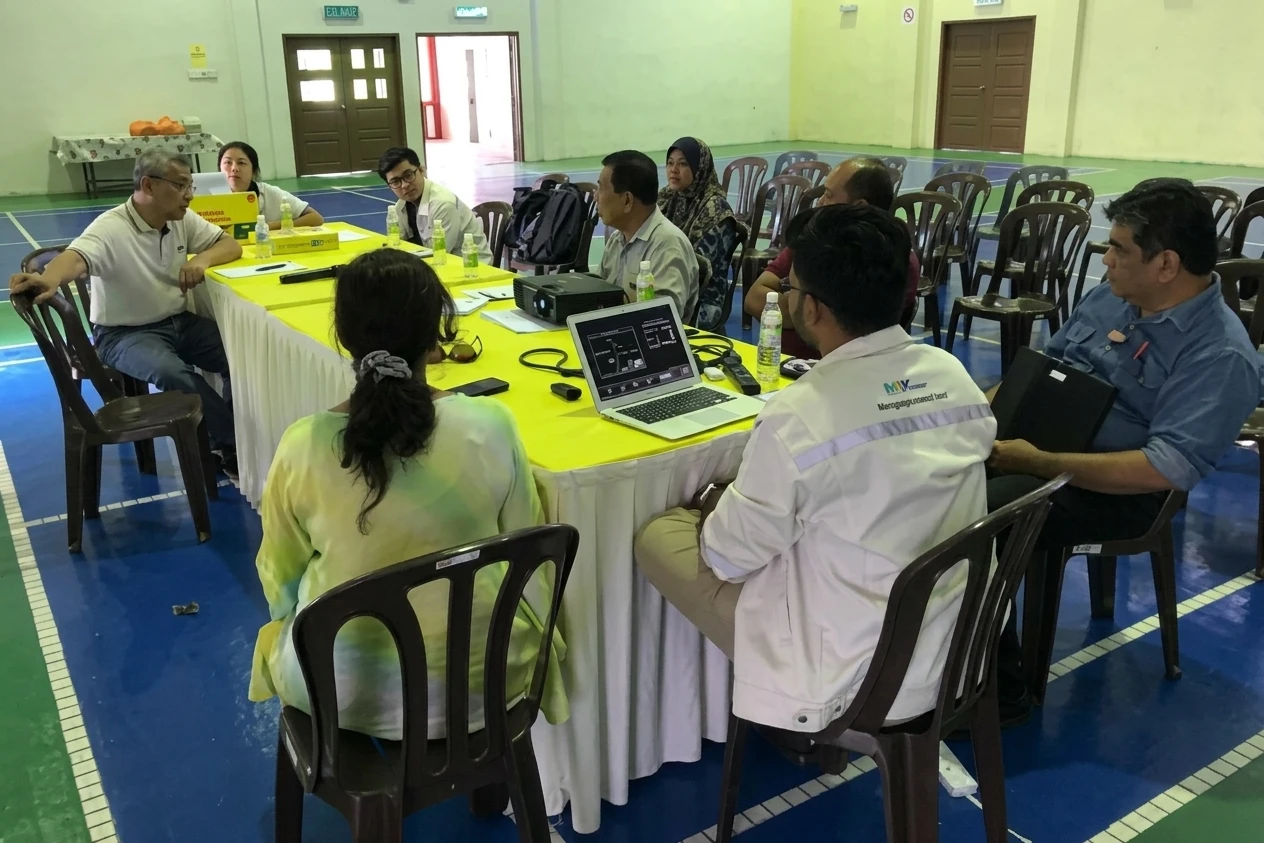
FGDs with stakeholders
igure>
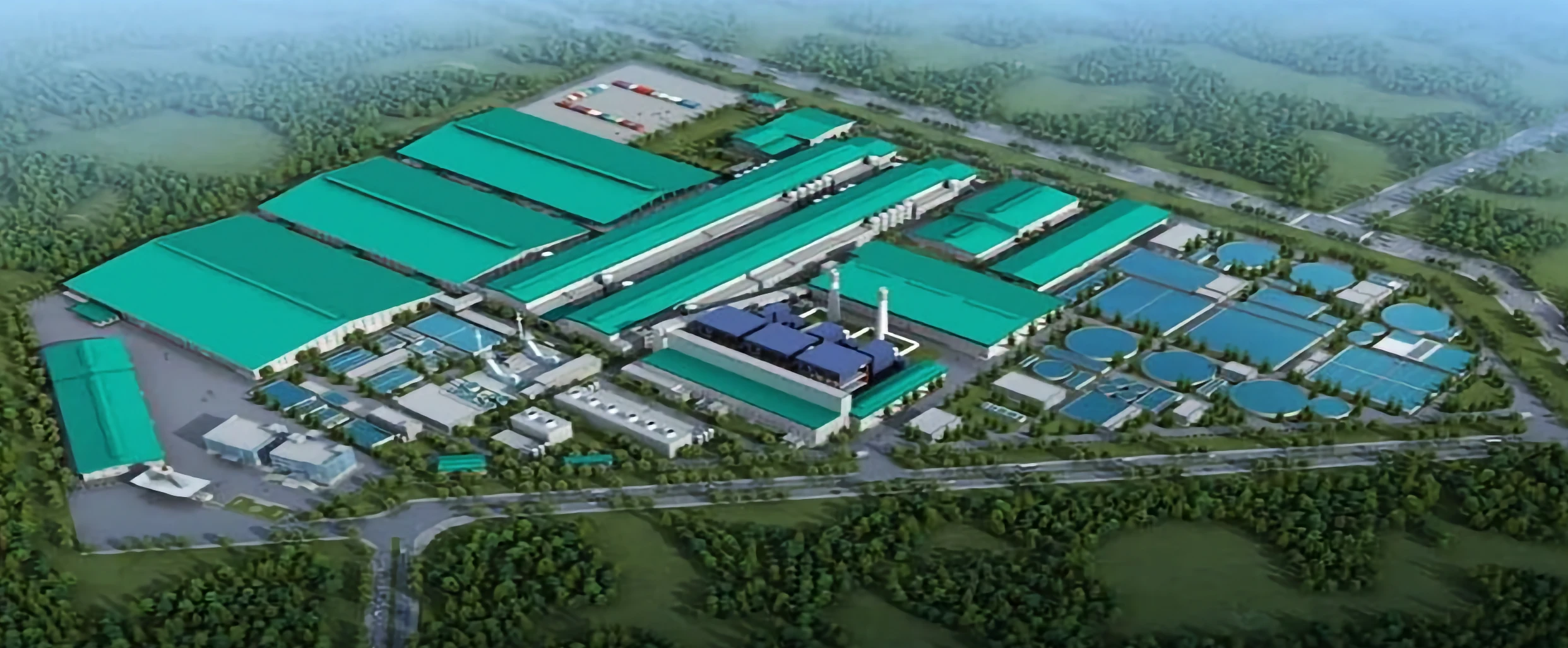
In recent years, Selangor managed to attract many foreign investors to set up large manufacturing plants in the state. AGV was privileged to be appointed by a China investor to conduct a Second Schedule EIA study for the establishment of a recycled packaging paper manufacturing facility in Selangor.
The project will be developed in two phases on a 132 acre site within an industrial park. It will have an annual production capacity of 2.4 million tons. The raw material comprised of sorted commercial and industrial waste paper. Being an integrated facility, its main components include paper production plants, water intake station, raw water treatment plant, wastewater treatment system, cogeneration plant, thermal treatment plant, sewage treatment plant and warehouses for raw materials and finished products.
The in-depth comprehensive study involved modelling and assessment of air emissions (including odour), water quality, soil erosion, noise generation, wastes management, quantitative risks, ecological (aquatic) assessment, health impact and socio-economic impact.
One of the main challenges encountered was the location of the project site at the fringe of the industrial park with several schools and residential schemes close by. In order to overcome the concerns and mitigate the potential impacts, additional internal buffer was provided by optimizing the plant layout and siting the warehouses and offices along the boundary with the sensitive receptors.
AGV’s team of consultants and specialists are proud to obtain the EIA approval for this large industrial project by working closely with the project proponent’s team and satisfying all the requirements of the DOE and other relevant authorities.